
Maize Starch as a Textile Sizing Agent: What Weaving Mills Need to Know

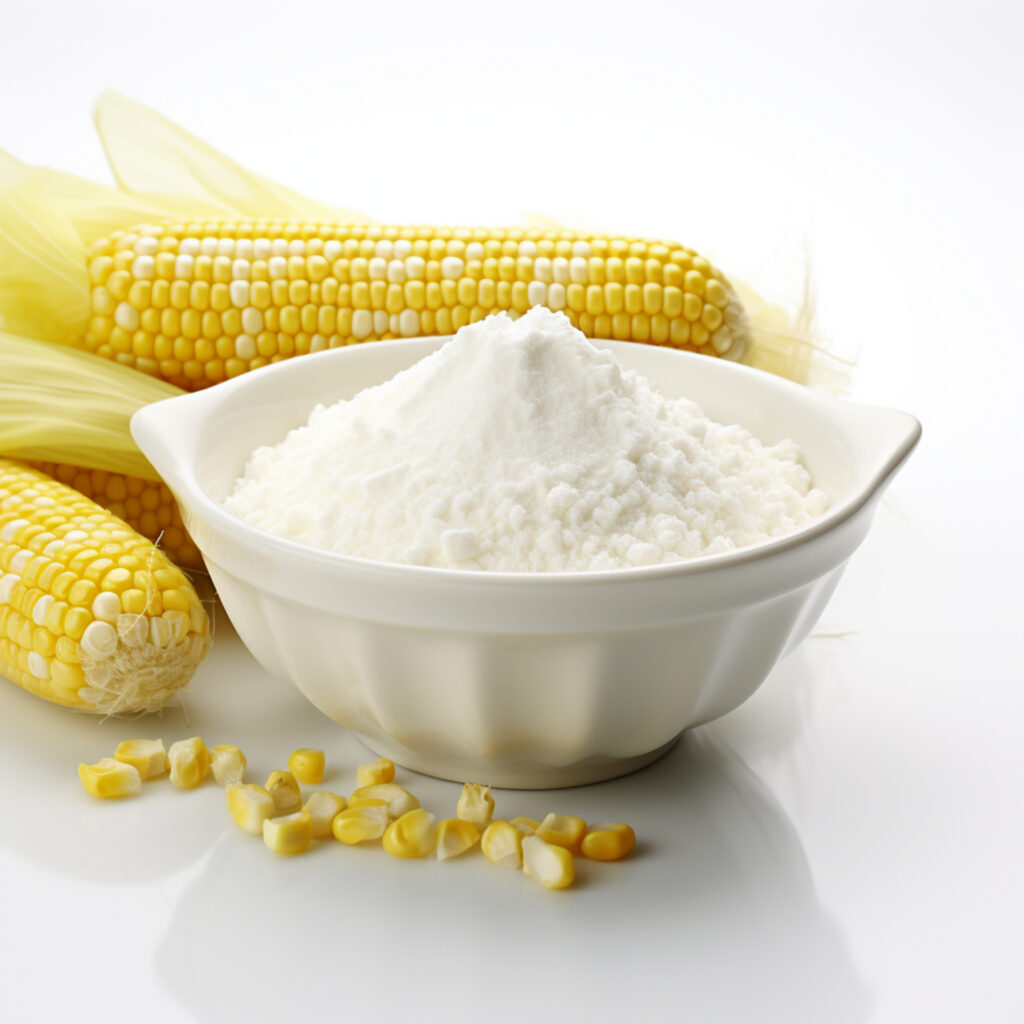
Walk through any weaving mill and you’ll see warp yarn stretched taut across a loom, running at speed through hundreds of thousands of cycles a day. That yarn wouldn’t survive the process without sizing, and maize starch, corn starch as it’s sometimes labelled even in industrial contexts, has been one of the most reliable sizing agents the textile industry has used for generations. Understanding why it works, and what a mill should actually expect from a sizing starch, matters whether you’re buying it or troubleshooting a weaving problem that keeps coming back.
Why yarn needs sizing before it ever touches a loom
Warp yarn undergoes enormous mechanical stress during weaving, constant tension, friction against heddles and reeds, and thousands of abrasive cycles as the shuttle or rapier passes through. Untreated yarn, particularly natural fibres like cotton, simply can’t withstand that abuse without breaking far too often, which grinds production to a halt and wastes both material and machine time. Sizing coats the yarn in a protective film that reduces hairiness, binds loose fibres tightly to the yarn body, and dramatically increases the yarn’s resistance to the abrasion it’s about to face.
Without adequate sizing, a weaving mill faces constant warp breaks, which isn’t just an inconvenience, it’s one of the largest sources of lost production time in the entire weaving process. A well-sized warp can run for hours without a single break, while a poorly sized one might need constant operator intervention, which is exactly why mills are so particular about their sizing formulation.
How starch-based sizing actually works
Starch is cooked into a sizing paste, sometimes on its own and sometimes blended with other agents depending on the yarn type and desired finish, then applied to the warp yarn as it passes through a sizing machine before winding onto the loom beam. As the starch dries, it forms a smooth, flexible film around each yarn strand, essentially gluing down the loose fibre ends that would otherwise catch, snag, or break during weaving.
The film needs to strike a careful balance. Too rigid, and the yarn becomes brittle and prone to snapping under tension. Too soft, and it won’t adequately protect against abrasion. Getting that balance right is largely a function of starch grade, concentration, and how the sizing solution is prepared, which is why experienced mills tend to be very specific about the starch specification they’ll accept.
What a good sizing starch actually needs to deliver
Viscosity consistency matters more here than in almost any other starch application, since the sizing machine is calibrated to apply a specific concentration at a specific speed, and any batch-to-batch drift throws that calibration off. Film flexibility matters just as much, the dried starch coating needs to bend with the yarn through the weaving motion without cracking or flaking away mid-run. Penetration is the third key property, the starch solution needs to soak into the yarn structure adequately, not just coat the surface, or the sizing won’t hold up under the repeated flexing weaving involves.
Modified starches are often preferred over plain native starch for sizing precisely because modification allows a supplier to fine-tune these properties more precisely than native starch’s naturally variable behaviour allows. That said, some mills, particularly those working with coarser or less demanding yarn types, still use native starch successfully, especially where cost control matters more than fine performance tuning.
Yarn type changes the sizing requirement significantly
Cotton, polyester-cotton blends, and pure synthetic yarns all respond differently to the same sizing formulation, which is why a one-size-fits-all approach rarely works well across a mill’s full product range. Cotton, being naturally more absorbent and prone to fibre breakage, generally needs a sizing paste with good penetration and a fairly robust film. Blended and synthetic yarns, being smoother and less porous, often need a formulation tuned more for surface adhesion than deep penetration, since the starch has less to grip onto at a fibre level.
Mills running multiple yarn types on the same production floor sometimes maintain more than one sizing formulation for exactly this reason, adjusting starch concentration, sometimes blending in other sizing agents, and tuning application parameters depending on what’s currently running through the sizing machine. A supplier who can support that kind of formulation flexibility, rather than offering only a single generic starch grade, tends to be a better long-term fit for mills with a varied product mix.
Desizing after weaving, the other half of the process
Sizing isn’t permanent. Once weaving is complete, the fabric goes through a desizing process, typically involving enzymes, hot water, or a combination of both, to remove the starch film before the fabric moves on to dyeing and finishing. Starch that was sized on too heavily, or with the wrong formulation, can be genuinely difficult to remove cleanly, leaving residue that interferes with dye uptake later in the process.
This is a good reminder that sizing decisions ripple forward through the entire textile production chain. A starch chosen purely to solve a weaving-stage problem, without considering how easily it desizes later, can create a downstream headache in a completely different part of the mill.
Choosing a sizing starch supplier
Beyond the technical specification, mills benefit from working with a supplier who understands textile sizing specifically, not just starch generally. The questions worth asking include how consistent their viscosity control is batch to batch, whether they can supply the volumes a continuous weaving operation needs without gaps, and whether they have experience with your specific yarn type and loom speed. A supplier who has genuinely supported textile mills before will have practical answers to these questions, not just a generic specification sheet.
If textile sizing is part of what you’re sourcing for, our maize starch supply and export page covers the specially modified starch grades we supply for warp sizing and weaving applications.