
How Maize Starch Improves Paper Strength: A Paper Mill’s Guide

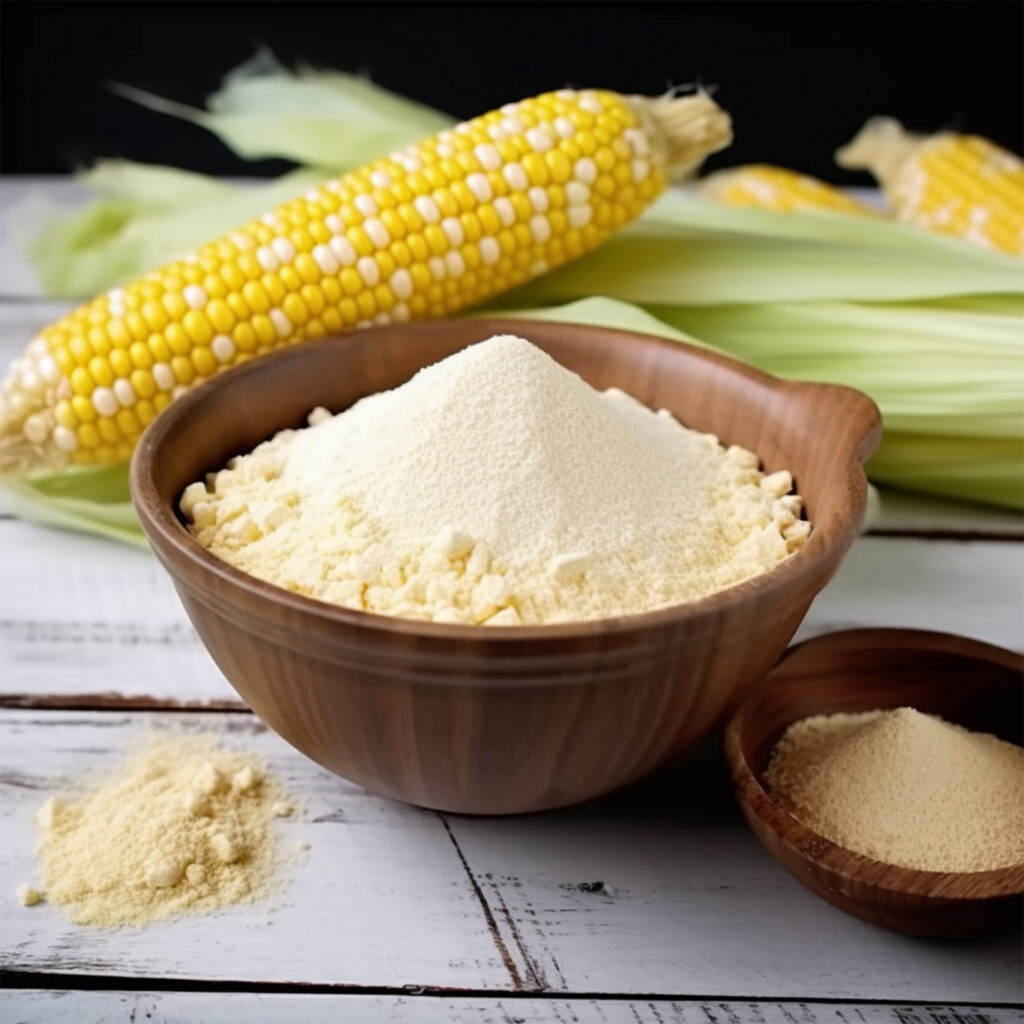
Paper feels like a simple product, but the strength, smoothness, and print quality of a finished sheet depend on chemistry most people never think about. Maize starch, corn starch to some in the trade, is one of the most important of those inputs, and understanding where it fits into the papermaking process explains a lot about why mills are so particular about which grade they use and where.
Where starch fits into the process
Starch enters papermaking at two very different points, and the distinction matters. Wet-end addition happens early, when starch is mixed into the pulp slurry before the sheet is even formed, primarily to improve retention of fillers and fibres and to add internal strength throughout the sheet. Surface sizing happens later, at the size press, where a starch solution is applied to the already-formed sheet’s surface to improve strength, smoothness, and print performance without needing to change the pulp furnish itself.
These aren’t interchangeable applications. A starch grade optimised for wet-end addition, typically a cationic starch with a positive charge that helps it bind to negatively charged pulp fibres, behaves very differently from a grade optimised for surface sizing, which usually favours lower, more controlled viscosity so it can be applied evenly at the size press.
What starch actually does to paper strength
Cellulose fibres naturally bond to each other through hydrogen bonding as a sheet dries, but that natural bonding only goes so far. Starch reinforces it by filling in gaps between fibres and creating additional bonding points, which shows up as measurable improvements in tensile strength, burst strength, and resistance to delamination. For board and packaging-grade paper specifically, where structural strength directly affects whether a box survives shipping and stacking, this reinforcement isn’t a nice-to-have, it’s fundamental to the product meeting spec.
Surface-applied starch adds a different kind of value. It improves the sheet’s resistance to picking and linting during printing, gives ink better hold on the surface, and generally produces a cleaner, more professional-looking finished product, which matters enormously for premium packaging and printed paper grades.
Choosing between native, oxidized, and cationic grades
Native starch works well in some surface sizing applications where cost matters more than fine viscosity control, but many mills prefer oxidized starch for this role because the oxidation process breaks down the starch’s molecular chains, lowering its viscosity in a controlled, predictable way. That lower viscosity means the starch films more evenly and flows more cleanly through size press equipment at production speed, without the tackiness or unevenness native starch can sometimes produce.
Cationic starch, meanwhile, is really only relevant for wet-end addition, since its defining feature, a positive electrical charge, is specifically useful for improving retention and drainage in the pulp slurry stage. Using it for surface sizing wouldn’t offer any particular advantage over other grades, since the charge properties that matter at the wet end aren’t relevant once the sheet has already formed.
Common mill-side considerations
Beyond grade selection, mills care enormously about consistency, since even a modest shift in a starch batch’s viscosity can force operators to adjust size press settings mid-run, costing production time and risking off-spec output. This is why paper mills, more than almost any other industry that buys starch, tend to build long relationships with a small number of trusted suppliers rather than switching sources for marginal price differences. The cost of an inconsistent batch, in downtime and rework, usually outweighs whatever was saved on the purchase price.
Mills also typically run trial batches before fully switching starch suppliers, testing how a new source performs on their specific equipment before committing to volume purchasing. This mirrors good practice in other industries that depend on starch consistency, and it’s a reasonable step for any paper producer evaluating a supplier change.
How environmental factors affect starch performance at the mill
Humidity and ambient temperature in a mill environment can subtly affect how a starch solution behaves at the size press, particularly during seasonal transitions when a facility’s internal conditions shift with the weather outside. Mills in humid coastal regions sometimes report needing slightly different cook times or concentrations than the same starch would require in a drier inland facility, even when the raw material itself tests identically on paper.
This is one of the less-discussed reasons experienced mill operators build a strong working relationship with their starch supplier’s technical team, not just their sales contact. Being able to call someone who understands both the chemistry of the starch and the practical realities of running a size press means troubleshooting a seasonal performance shift takes a conversation instead of weeks of trial and error on the production line.
Water quality feeding into the starch cook process is another variable worth checking if a mill notices unexplained performance drift. Hardness and mineral content in process water can interact with starch in ways that shift viscosity or gel behaviour slightly, independent of anything wrong with the starch batch itself. Ruling this out early saves time when a new problem shows up and the starch is the first, but not necessarily the correct, thing to suspect.
What this means if you’re sourcing for a mill
If you’re responsible for starch procurement at a paper or board mill, the questions worth asking a potential supplier go beyond price per tonne. Ask how tightly they control viscosity batch to batch, whether they can supply consistently at the volumes your mill runs, and whether they have experience specifically supplying paper-grade starch rather than starch generally. A supplier who can speak fluently about wet-end versus surface application, without you having to explain the distinction to them, is usually one who understands your business well enough to be a reliable long-term partner.
If you’re evaluating starch sources for paper or board production, our maize starch supply and export page covers the oxidized and native grades we supply, along with the specifications paper mills typically look for.