
GMO vs Non-GMO Maize Starch: What International Buyers Should Know

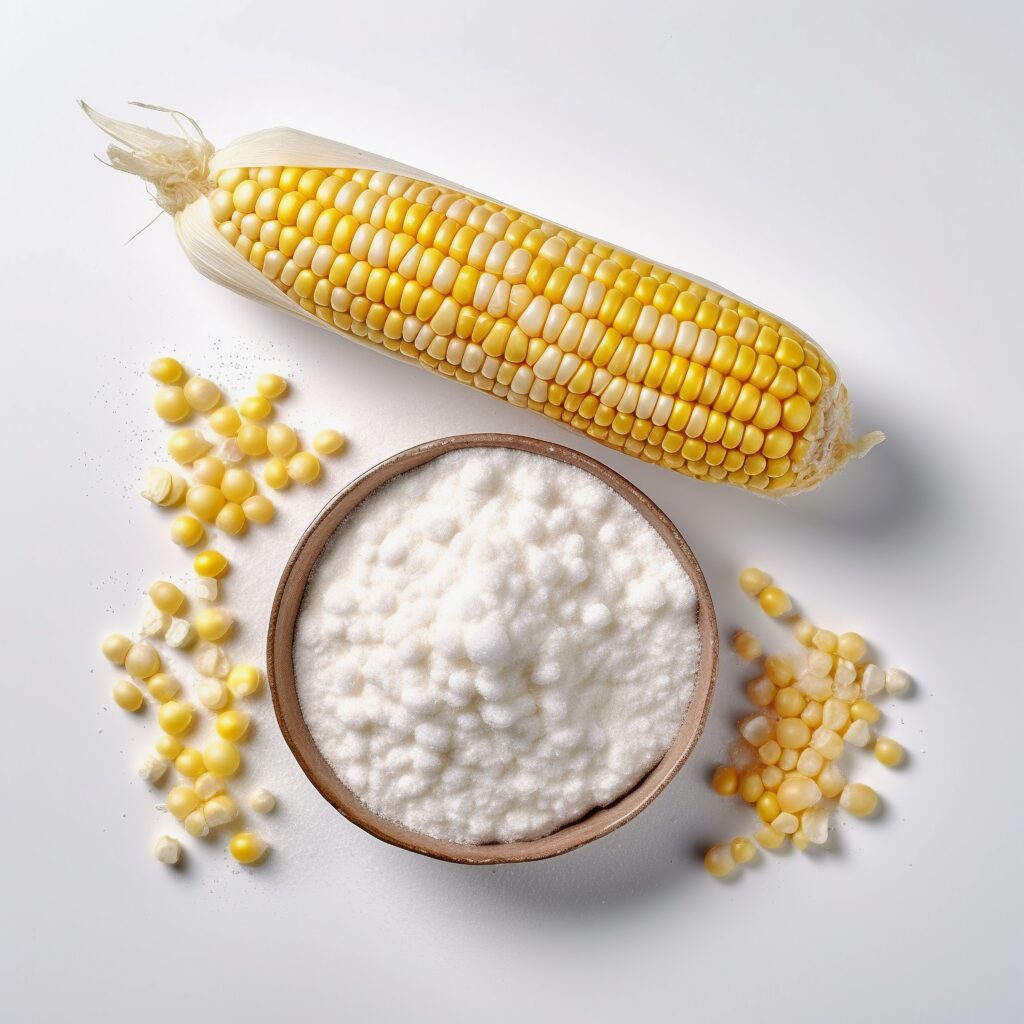
It’s one of the first questions we get from international buyers, particularly those in Europe, Japan, and a handful of other markets with strict labelling requirements: is your maize starch, corn starch as it’s known there too, made from GMO or non-GMO maize. It’s a reasonable question, and the answer matters more in some markets than others, but it’s also a question that’s frequently misunderstood, both in terms of what it’s actually asking and what documentation genuinely answers it.
Why this question comes up more with export buyers
Regulatory attitudes toward genetically modified crops vary enormously by region. The European Union maintains strict labelling and traceability requirements for GMO-derived ingredients, and consumer sentiment there has historically leaned cautious on the topic. Japan and several other Asian markets have their own distinct regulatory frameworks around GMO ingredients. Buyers in these markets aren’t asking out of idle curiosity, they’re asking because their own downstream regulatory compliance, or their brand’s consumer positioning, genuinely depends on the answer.
Domestic Indian buyers and buyers in markets with less stringent GMO regulation ask this question far less often, which is worth knowing if you’re a supplier trying to gauge how much emphasis this topic actually needs in your documentation and marketing depending on which markets you’re serving.
What a non-GMO claim actually verifies, and what it doesn’t
A non-GMO claim, properly substantiated, verifies that the maize used to produce a given starch batch wasn’t genetically modified. It doesn’t automatically mean organic, pesticide-free, or grown under any particular agricultural practice, those are separate certifications entirely, and conflating them is a common mistake buyers make when evaluating supplier claims. If organic or pesticide-free sourcing genuinely matters to your business, ask for that certification specifically rather than assuming a non-GMO claim covers it.
Proper non-GMO verification typically involves traceability back to the source maize, sometimes supported by testing, and documentation a supplier should be able to produce on request rather than a verbal assurance alone. A supplier who can’t provide any documentation behind a non-GMO claim is making a marketing statement, not a verified one.
India’s maize crop and where GMO status actually stands
India has not approved commercial cultivation of genetically modified maize, unlike some other major maize-producing countries such as the United States, Brazil, and Argentina, where GMO maize varieties make up a substantial share of production. This means maize starch manufactured from domestically sourced Indian maize is, as a starting point, working from a non-GMO raw material base, which is a meaningfully different starting position than sourcing from countries where GMO maize dominates the supply.
That said, being non-GMO by default because of where it’s grown, and being verified and documented as non-GMO, are two different things from a compliance standpoint. Export buyers in strict-requirement markets generally want the documentation, not just the general market context, even when the underlying agricultural reality supports the claim.
Documentation buyers should actually ask for
Beyond a general non-GMO statement, ask a supplier whether they can provide sourcing documentation tracing the maize back to Indian-grown crop, and whether any testing supports the claim rather than relying purely on regional sourcing assumptions. For particularly strict markets, it’s also worth asking whether the supplier has previously supplied buyers in that same market successfully, since a supplier with existing experience navigating a specific market’s documentation expectations will typically handle your request more smoothly than one encountering it for the first time.
Why this matters more in some markets than others
If you’re selling into a market with minimal GMO-related regulation and consumers who aren’t particularly focused on the question, over-investing in non-GMO documentation and marketing may not move the needle much for your business. If you’re selling into the EU, Japan, or another market where this genuinely affects shelf placement, consumer trust, or regulatory approval, it’s worth treating as a real compliance requirement, not a box-ticking exercise. Knowing which category your target market falls into should shape how much weight you put on this question when evaluating a supplier.
It is also worth remembering that GMO status is only one piece of a much larger sourcing conversation. Buyers who ask this question thoroughly tend to also ask about pesticide residue limits, heavy metal testing, and general agricultural traceability, all of which sit alongside GMO verification as part of a complete sourcing due diligence process rather than standing alone. A supplier who can speak to all of these together, rather than answering the GMO question in isolation and going quiet on everything else, is generally the more sophisticated and reliable option for a buyer operating in a strict-compliance market where a single missing document can hold up an entire shipment.
nn
What this means for a supplier relationship
Buyers sometimes assume that asking about GMO status is a delicate or awkward question to raise with a supplier, and hesitate to bring it up directly. In practice, this is one of the more routine compliance conversations a supplier fields, particularly one with any meaningful export experience, and a good supplier will answer it factually and provide supporting documentation without treating the question as an inconvenience. If a supplier seems evasive or annoyed by a straightforward GMO status question, that reaction is worth noting well before you place a significant order, since it tends to reflect how they handle other documentation requests too.
If non-GMO sourcing documentation matters for your export market, our maize starch supply and export page has details on our maize sourcing and the supporting documentation we provide.