
Maize Starch in Confectionery: Gelling, Texture & Shelf Life

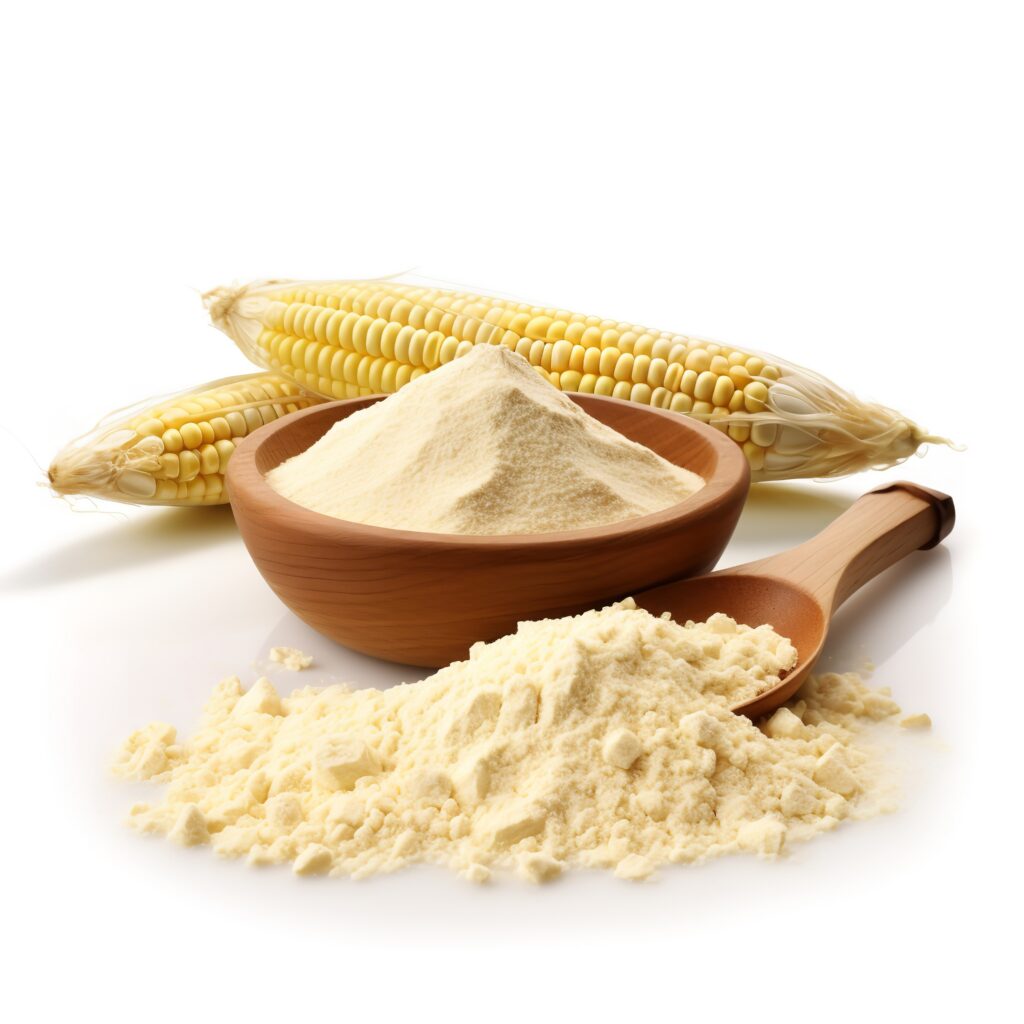
Gummy bears, jelly candies, and marshmallows all depend on getting texture exactly right, not too firm, not too soft, with a shelf life long enough to survive weeks in a warehouse and on a store shelf. Maize starch, corn starch in many confectionery formulation documents, has quietly done a lot of that structural work in the confectionery industry for a very long time, in ways that go well beyond simply thickening a mixture.
Starch’s role in gummy and jelly confections
In many gel-based confections, starch acts as a gelling agent either on its own or alongside gelatin or pectin, contributing to the chewy, slightly firm structure that defines a good gummy candy. It can partially or, in some formulations, fully replace gelatin, which matters for manufacturers targeting vegetarian, vegan, or halal-certified product lines where animal-derived gelatin isn’t an option. Getting the gel strength right depends heavily on which starch grade and concentration is used, since too little produces a candy that won’t hold its shape, while too much creates something closer to rubber than confection.
Controlling texture through starch selection
Different confectionery products call for genuinely different textural targets, and starch selection is one of the main levers manufacturers use to hit them. A softer, more tender gummy calls for different starch treatment than a firmer jelly candy, and formulators adjust starch type, concentration, and sometimes blend multiple starch sources to dial in the exact chew and mouthfeel a product is meant to have. This is part of why two candies that look similar on the shelf can have noticeably different textures when you actually bite into them, the starch system behind each one was tuned differently.
Pregelatinized starch grades, which dissolve and thicken without needing to be cooked, are useful in some confectionery applications where a manufacturer wants thickening or textural effects without adding another heating step to an already heat-sensitive process, particularly for products where excess cooking could damage delicate flavour or colour components.
Shelf-life and moisture management
Confectionery products face a genuine moisture challenge over their shelf life. Too much moisture loss and a gummy candy turns hard and unpleasant to chew. Too much moisture retention, or moisture migration from a filling into a coating, and texture and appearance both suffer, sometimes alongside microbial risk if moisture levels climb too high. Starch’s water-binding properties help manage this moisture balance over the weeks or months a confectionery product sits in distribution and on shelf, acting almost like a built-in stabiliser for texture consistency over time.
This matters more than manufacturers sometimes credit it for, since a candy that tastes and feels great fresh off the production line but degrades noticeably within a few weeks creates real customer complaints and returns, problems that trace back to formulation choices made months earlier, including which starch was used and at what level.
Starch molding, an old technique still very much in use
Some confectionery production still uses a technique called starch molding, or mogul casting, where trays of compacted, dried starch are impressed with candy-shaped moulds, and liquid confectionery mixture is deposited directly into those starch impressions to set. The starch here serves a dual purpose, absorbing excess moisture from the setting candy while providing a food-safe, reusable mould surface that can be recycled and reused for the next production run.
This method has been used in confectionery manufacturing for well over a century, and while some modern operations have moved to silicone or other mould materials for certain products, starch molding remains widely used, particularly for traditional gummy and jelly candy production, because it’s cost-effective, food-safe, and well understood by experienced confectionery operators.
Cost considerations manufacturers actually weigh
Starch is generally far less expensive than gelatin or pectin, which makes it an attractive option for manufacturers under margin pressure, particularly in high-volume, value-tier confectionery lines where every fraction of a rupee per unit matters at scale. Fully starch-based gelling systems can meaningfully lower formulation cost compared to gelatin-heavy recipes, though most manufacturers find a blended approach, using starch alongside a smaller proportion of gelatin or pectin, delivers the best balance of cost control and premium mouthfeel.
This cost advantage compounds at scale in ways that matter enormously for large confectionery producers. A formulation change that saves even a small amount per kilogram of finished product adds up to a significant number across a full production run, which is part of why formulation teams invest real time in testing different starch ratios before finalising a recipe, the difference between a good and a merely acceptable formulation can directly affect a product line’s profitability.
Sourcing food-grade starch for confectionery use
Confectionery manufacturers need starch that meets food-grade purity standards, with particular attention to colour, since even a slight off-white tint can be visible in clear or lightly coloured candy applications where the starch isn’t fully removed or converted during processing. Flavour neutrality matters just as much, any starch with even a faint off-taste will show up in a product where flavour is often the entire point of the purchase.
Beyond the specification sheet, it’s worth asking a potential supplier whether they have direct experience supplying the confectionery sector specifically, since the purity, consistency, and even packaging handling expectations here differ somewhat from industrial starch applications. A supplier who understands confectionery-specific requirements, rather than treating it as just another food-grade order, tends to be a more reliable long-term source.
If confectionery formulation is part of what you’re sourcing starch for, our maize starch supply and export page outlines the food-grade maize starch specifications we supply.