
Maize Starch in Batters & Breading: Why Food Processors Choose It

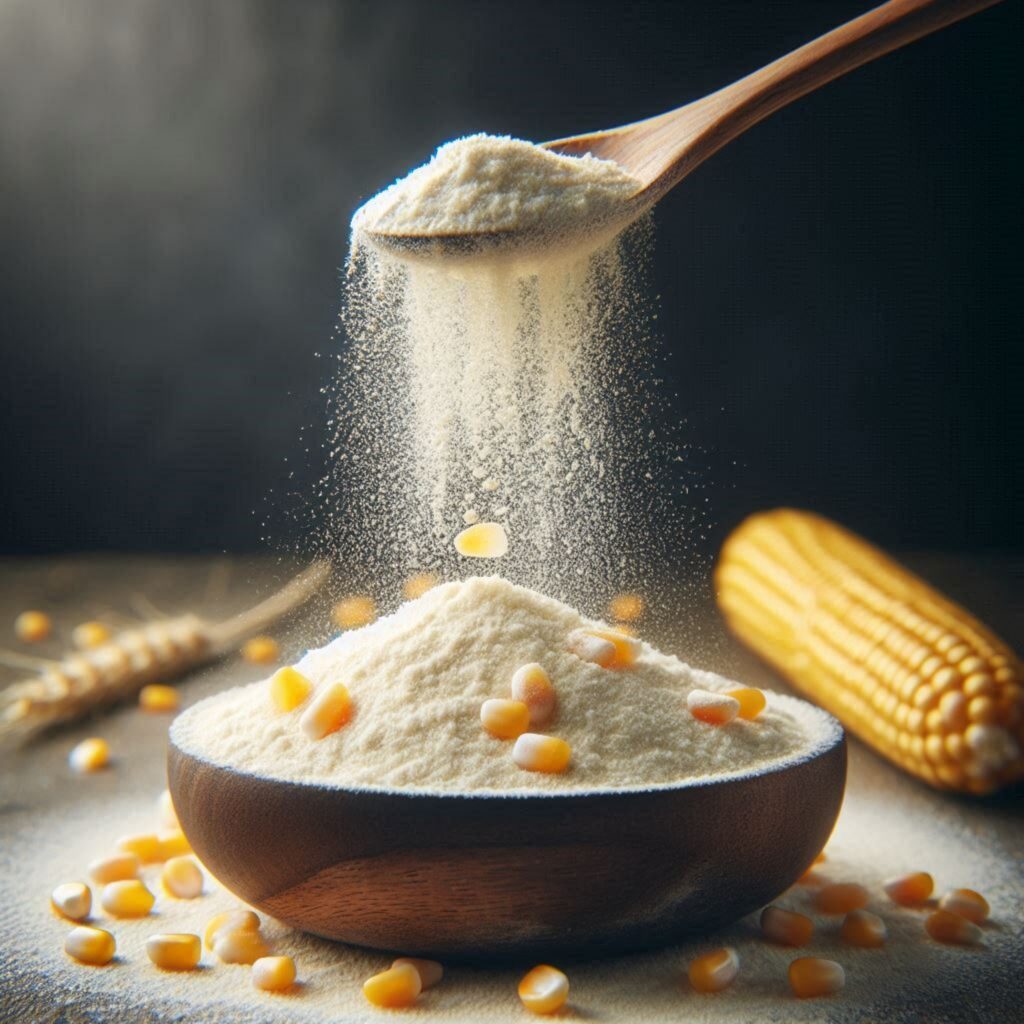
Bite into a piece of properly fried chicken, or a crisp tempura vegetable, and a meaningful part of what makes it good, the crunch that holds up rather than going soggy, the coating that clings rather than falling off, usually traces back to maize starch, corn starch on some ingredient labels, somewhere in the batter or breading formulation. Food processors have leaned on it for this exact purpose for decades, and understanding why it works helps explain some of the choices behind commercial breading systems that home cooks rarely think about.
The texture problem starch actually solves
Wheat flour alone produces a coating that can turn dense, doughy, or soggy once fried or reheated, especially in commercial food service where a coated product might sit under a heat lamp or go through a reheat cycle before reaching a customer. Maize starch, blended into a batter or breading mix, changes that behaviour fundamentally, producing a lighter, crisper structure that holds its texture significantly longer than a flour-only coating.
Part of this comes down to how starch gelatinizes differently than flour’s protein-heavy structure during frying, forming a more open, less dense matrix that fries up light rather than heavy. For large-scale food processors supplying restaurants or retail frozen food, that extended crispness window isn’t a minor quality detail, it directly affects customer satisfaction with a product that might not be eaten immediately after cooking.
Crispness and adhesion, two separate jobs
Getting a coating to actually stay on the food is its own challenge, and starch plays a role here too. Pre-dust applications, a light starch coating applied before the wet batter, help the batter adhere to the food surface far more reliably than applying batter directly to a wet or irregular surface. Without this step, processors see much higher rates of coating loss during frying or cooking, which shows up as both wasted product and inconsistent finished appearance.
Modified starches are often preferred over native starch in demanding breading applications specifically because modification allows finer control over how the starch swells, sets, and adheres under the high-heat, high-speed conditions commercial frying lines run at. Native starch still works well in less demanding applications, but processors running large-volume, high-consistency operations often find the extra control modified grades offer is worth the marginal cost difference.
Why processors blend starch with flour rather than using either alone
Pure starch coatings can actually be too crisp and brittle for some applications, lacking the structural cohesion flour’s gluten network provides. Pure flour coatings, meanwhile, tend toward the dense, soggy texture starch is specifically added to avoid. Most commercial batter and breading formulations blend the two deliberately, using starch to control crispness and moisture behaviour while flour contributes body and binding strength, tuning the ratio based on the specific product and cooking method involved.
This blending approach also gives processors flexibility to hit different textural targets across a product range using largely the same base ingredients, adjusting starch-to-flour ratios rather than reformulating from scratch for every new product line.
Gluten-free applications, where starch becomes essential rather than optional
For gluten-free breaded products, maize starch shifts from being a texture enhancer to being a core structural ingredient, since wheat flour is off the table entirely. Formulating a gluten-free breading that still crisps properly and holds together through frying or baking requires careful starch selection, often blending maize starch with other gluten-free starches or binders to replicate what gluten would normally provide structurally.
This is a genuinely harder formulation challenge than standard breading, and it’s part of why gluten-free breaded products carry a price premium in most markets, the ingredient sourcing and formulation work behind them is more involved than it looks from the outside.
Frozen and reheated products face an extra challenge
Fresh-fried, immediately-served food is the easiest scenario for any breading system. The much harder test is a product that gets frozen, shipped, and reheated by an end consumer or a restaurant kitchen well after the original cooking. Freezing and reheating cycles are brutal on coating structure, since ice crystal formation during freezing can physically disrupt the starch matrix, and reheating, especially in a microwave rather than an oven, tends to introduce moisture that undermines crispness right when it matters most.
Starch selection becomes even more important for this category of product. Some modified starches are specifically chosen for their freeze-thaw stability, resisting the structural breakdown that plain native starch is more prone to after a freeze cycle. Processors developing frozen breaded products typically run extensive freeze-thaw testing as part of their formulation work, since a coating that performs beautifully fresh but turns soggy or falls apart after freezing isn’t viable for retail frozen food, no matter how good it tastes on day one.
What to look for in a food-service starch supplier
Beyond standard food-grade certification, processors sourcing for batter and breading applications should ask specifically about a supplier’s experience with this use case, since the performance characteristics that matter here, crispness, adhesion, frying stability, aren’t the same ones that matter for, say, paper or textile applications. A supplier who can speak knowledgeably about how their starch performs specifically under frying conditions is a stronger fit than one offering only generic food-grade specifications.
Consistency matters just as much here as anywhere else. A shift in starch behaviour that changes how a coating fries can affect an entire product line’s quality, which is exactly the kind of risk a reliable, well-tested supplier relationship is meant to protect against.
If batter or breading applications are part of your production, our maize starch supply and export page covers the native and modified maize starch grades we supply for food processing.