
Maize Starch in Tablet Manufacturing: Binder & Disintegrant Explained

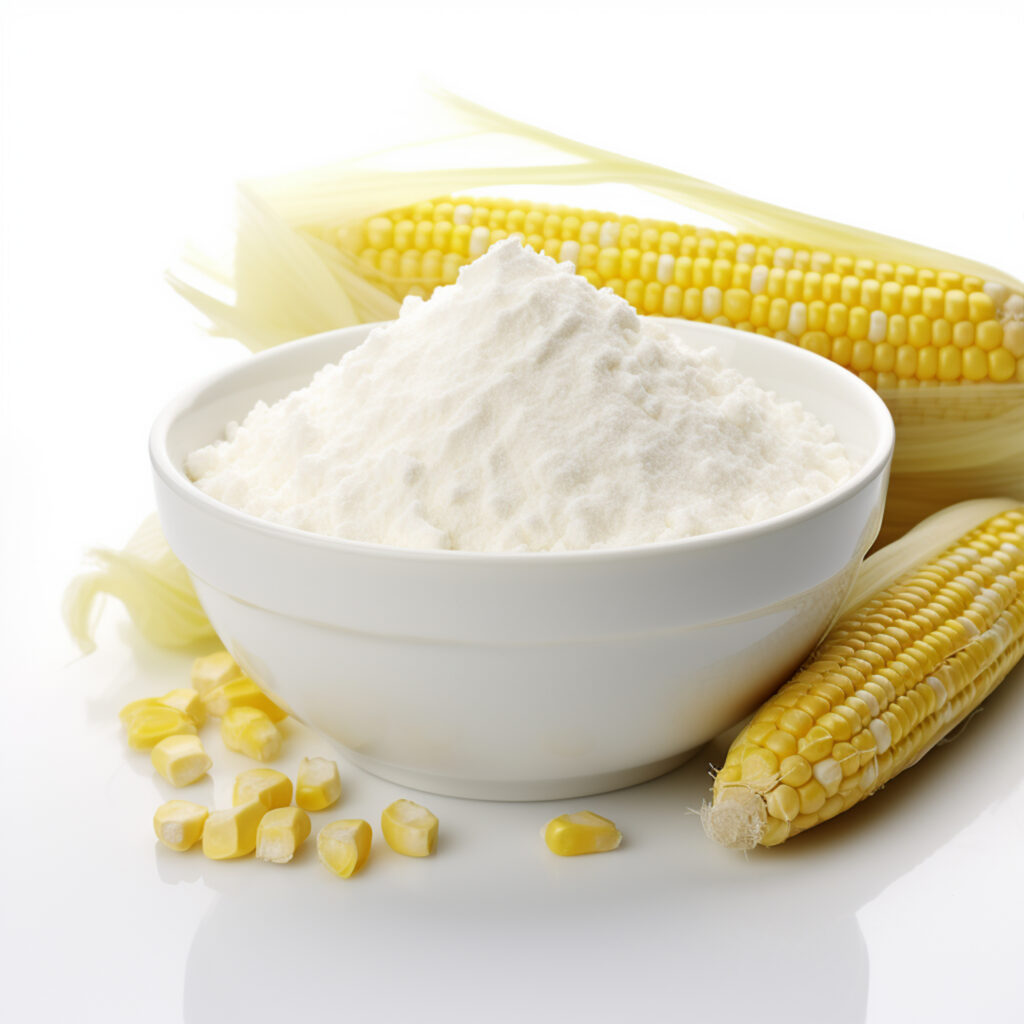
Pop open almost any tablet and you’re looking at more than just the active ingredient. Fillers, binders, and disintegrants make up a meaningful share of most formulations, and maize starch, corn starch in some regulatory documentation, plays two genuinely different roles in that mix depending on how and when it’s added during manufacturing. Understanding that distinction explains why pharmaceutical-grade starch specifications are so much stricter than industrial grades, and what buyers in this sector should actually be verifying before they commit to a supplier.
Two very different jobs from one ingredient
When starch is added early in the tablet formulation process, mixed into the powder blend before granulation or compression, it acts as a binder, helping hold the compressed tablet together so it doesn’t crumble or cap during handling, packaging, and shipping. When starch is added later, mixed into the formulation just before compression as what’s called an extragranular addition, it plays an almost opposite role as a disintegrant, helping the tablet break apart quickly once it’s swallowed so the active ingredient can actually be absorbed.
The same raw material, doing two functionally opposite jobs, is possible because of how and when it’s introduced into the process, and pharmaceutical formulators rely on this dual behaviour constantly. Some formulations even use starch in both roles simultaneously, part added early as a binder, part added later as a disintegrant, within the same tablet.
How starch works as a binder
During wet granulation, starch paste, starch cooked with water into a gel, is mixed with the powder blend, and as it dries, it forms bridges between particles that hold the granulated material together. This granulation step is what allows a powder blend to compress into a stable tablet rather than crumbling apart under the pressure of the tablet press. Starch’s binding strength needs to be carefully calibrated, since too weak a bind produces a fragile tablet, while too strong a bind can actually interfere with the tablet’s ability to disintegrate properly later.
How starch works as a disintegrant
As a disintegrant, starch works through a different mechanism entirely, it swells rapidly when it contacts moisture in the digestive tract, and that swelling physically pulls the compressed tablet apart from within. This is why disintegrant-grade starch addition happens as late as possible in the formulation process, extragranularly, so it retains its full swelling capacity rather than being partially consumed during an earlier granulation step.
The speed and completeness of disintegration directly affects how quickly and reliably the active ingredient becomes available for absorption, which makes this one of the more pharmacologically significant roles starch plays in the entire tablet, even though it’s technically an inactive excipient rather than the drug itself.
Why pharma-grade specifications matter more here
Industrial starch buyers care about viscosity and moisture. Pharmaceutical buyers care about all of that plus microbial limits, heavy metal content, residual solvent levels, and full compliance with pharmacopoeial standards like IP, BP, or USP, depending on which market the finished product is destined for. A starch batch that would be perfectly acceptable for a paper mill or textile application could fail pharmaceutical release testing entirely on parameters that industrial buyers never need to think about.
This is why pharmaceutical-grade starch typically commands a price premium over industrial grades, and why suppliers serving this sector need dedicated production lines, or at minimum extremely rigorous cleaning and validation protocols, to prevent any cross-contamination from industrial-grade production.
What pharmaceutical buyers should actually verify
Beyond the standard Certificate of Analysis, pharmaceutical buyers should confirm a supplier’s manufacturing facility complies with Good Manufacturing Practice standards relevant to excipient production, and should request full documentation on the specific pharmacopoeial standard the starch is certified against. It’s also worth asking directly how the supplier prevents cross-contamination if they also produce industrial-grade starch on the same site, since shared equipment without strict validation protocols between runs is a genuine contamination risk regulators take seriously.
Batch traceability matters more in pharmaceutical supply chains than almost anywhere else, given the regulatory scrutiny finished pharmaceutical products face. A supplier who can trace a specific starch batch back through their entire production and testing history, on request, is demonstrating exactly the kind of documentation discipline this sector requires.
A note on formulation trial batches
Pharmaceutical formulators, more than almost any other industry buyer, tend to run extensive trial batches before finalising a starch source in a commercial formulation, since even small variations in binding or disintegration behaviour can affect a drug product’s dissolution profile and, ultimately, its regulatory approval. This isn’t unusual caution, it reflects the genuinely higher stakes involved when the finished product is something a patient will consume. Suppliers experienced in this sector understand that a formulation trial isn’t a formality, it’s a necessary part of qualifying any new starch source for pharmaceutical use, and they typically build reasonable sample quantities and technical support into how they work with formulators from the very first conversation.
Formulators changing an established supplier mid-product-lifecycle face an even higher bar, since regulatory filings in most markets are tied to specific excipient sources, and switching suppliers can trigger additional regulatory review depending on the jurisdiction. This is one more reason pharmaceutical buyers tend to build long, stable relationships with a qualified starch supplier rather than switching opportunistically for small price differences the way industrial buyers sometimes do.
nn
If pharmaceutical-grade maize starch is part of what you’re sourcing for, our maize starch supply and export page has the specifications and documentation support we provide for this application.