
Maize Starch vs Tapioca Starch vs Potato Starch: Choosing the Right Native Starch

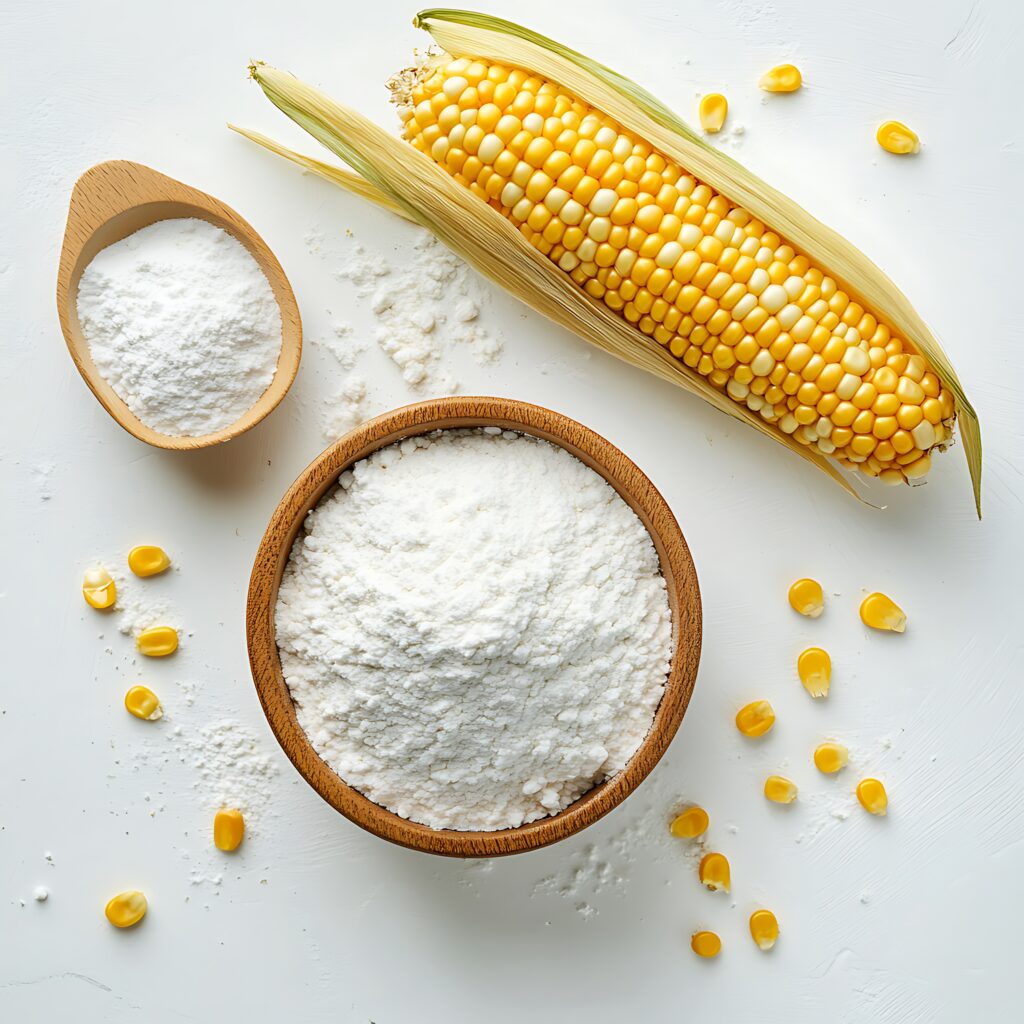
Ask three different suppliers whether maize starch, tapioca starch, or potato starch is the right choice for your process, and you might get three different answers, mostly because the honest answer depends entirely on what you’re trying to do. These three native starches get grouped together constantly, and they do share a lot of surface similarity, white powders, thickening agents, plant-derived, but their actual performance characteristics differ enough that choosing the wrong one can genuinely undermine a formulation or process.
They look alike, but they’re not interchangeable
All three are native starches extracted from their respective plant sources through broadly similar wet-milling or wet-extraction processes, and all three form a thickened paste when cooked in water. That’s roughly where the similarity ends. Each starch gelatinizes at a different temperature, forms a different type of paste texture, behaves differently under acidic or high-shear conditions, and produces a different final appearance once cooled, clear versus opaque, glossy versus matte. Substituting one for another without adjusting the rest of a formulation is one of the more common mistakes newer product developers make.
Maize starch’s strengths
Maize starch offers dependable, moderate viscosity and a relatively neutral flavour profile, along with the practical advantage of being widely available and cost-competitive, particularly in markets like India where domestic maize production is strong. It performs reliably across an unusually broad range of applications, food, pharmaceutical, paper, textile, and adhesive uses all draw on maize starch regularly, which is part of why it’s often the default starting point for formulators who haven’t yet identified a strong reason to look elsewhere.
Its paste tends toward a slightly opaque, whitish appearance rather than fully clear, which matters for some food applications where visual clarity is part of the product appeal, and matters less for most industrial uses where appearance isn’t a factor at all.
Tapioca starch’s strengths
Extracted from cassava root, tapioca starch produces a notably smoother, glossier, and more translucent paste than maize starch, along with a milder, more neutral taste that some food formulators prefer for delicate flavour applications. It gelatinizes at a lower temperature than maize starch, which can be an advantage in heat-sensitive formulations, and it tends to produce a softer, stretchier texture, which is why it shows up so often in bubble tea pearls, certain Asian noodle products, and applications where that particular chew is exactly what’s wanted.
Tapioca starch is also naturally gluten-free and increasingly popular in clean-label formulations, since cassava carries fewer allergen concerns than some other starch sources, though its price and regional availability can vary more than maize starch’s does, depending on where you’re sourcing from.
Potato starch’s strengths
Potato starch stands out for its notably high viscosity and strong thickening power at relatively low usage levels compared to maize or tapioca starch, along with a very clean, neutral taste and excellent clarity when cooked. It’s particularly valued in Eastern European and Nordic food traditions for exactly these properties, and it performs well in frozen food applications, where it resists the breakdown some other starches experience through freeze-thaw cycles.
The trade-off is that potato starch is generally more expensive than maize starch in most markets, and its stronger thickening power means formulations often need smaller quantities, which can offset some of that cost difference but requires more careful dosing to avoid over-thickening a product.
How to actually decide which one fits your process
Start with what the application genuinely requires rather than defaulting to whichever starch you’ve used before out of habit. If cost and broad reliability across multiple processes matter most, maize starch is usually the sensible starting point. If a soft, chewy texture or a clear, glossy finish is the goal, tapioca starch is worth testing. If maximum thickening power at low usage levels and strong freeze-thaw stability matter most, potato starch deserves a look, price difference and all.
Many experienced formulators don’t actually choose just one. Blending two starches, commonly maize with a smaller proportion of tapioca or potato, is a common way to capture benefits from each while managing overall cost, and it’s worth discussing this option with a supplier who carries multiple starch types rather than assuming a single-source formulation is your only path.
Availability and lead time deserve a mention too, since they don’t always get factored into a starch decision the way price and performance do. Maize starch benefits from strong domestic supply in markets with significant maize agriculture, which generally means shorter lead times and more supply stability than starches that depend on imported raw material or a narrower band of growing regions. For a business that can’t afford supply disruptions, that reliability is sometimes worth more than a marginal performance advantage a different starch might offer on paper, especially for buyers running continuous production who can’t afford a gap in supply while waiting on a delayed shipment.
nn
A practical note on switching starches mid-formulation
If you’re considering switching from one native starch to another in an existing product, treat it as a genuine reformulation, not a simple substitution. Cooking time, temperature, and even mixing speed often need adjustment when moving between starch types, and skipping that recalibration is one of the more common reasons a switch that looked good on paper produces a disappointing result in actual production. Running a proper trial batch before committing to a full-scale switch saves far more time than it costs.
Sevagram Excipients supplies both maize and tapioca starch, and our maize starch supply and export page covers specifications for both if you’re weighing which one fits your application.