
Maize Starch in Corrugated Box & Packaging Adhesives

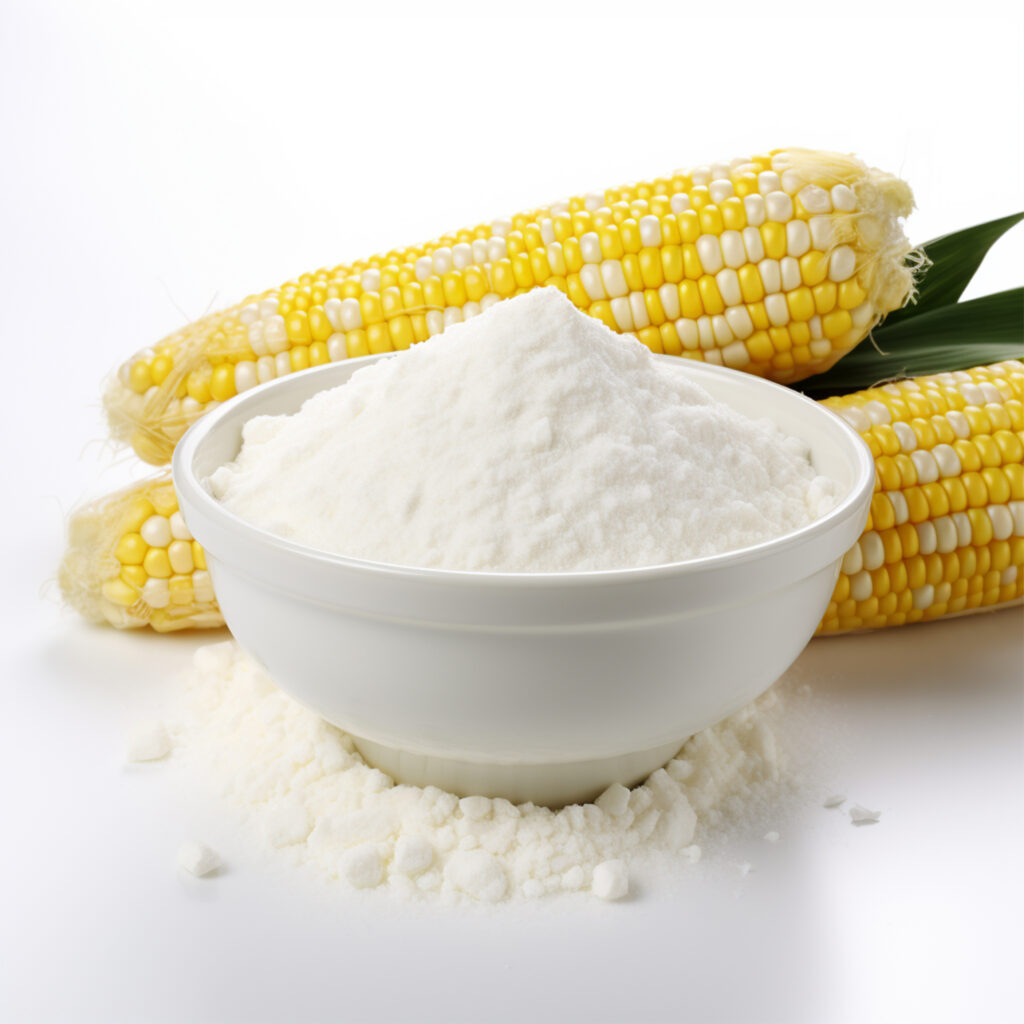
Almost every corrugated box that arrives at your door, especially in the last few years of e-commerce growth, was held together in part by starch, maize starch or corn starch, cooked into an adhesive at the corrugating plant. It’s one of the least visible applications of this ingredient, but also one of the largest by volume, and it’s worth understanding if you’re sourcing starch for packaging or adhesive manufacturing.
Why the packaging industry runs on starch adhesives
Corrugated board is built by gluing a fluted paper layer between two flat liner sheets, and that bond has to hold under real handling stress, stacking weight, and sometimes humidity, without adding meaningful cost to what’s usually a thin-margin product. Starch-based adhesives have been the industry standard for this for decades because they’re inexpensive relative to synthetic alternatives, they bond quickly at the speeds modern corrugators run at, and they’re straightforward to prepare on-site rather than requiring specialised chemical handling.
How the adhesive actually works
Corrugating plants typically cook starch into what’s called a Stein-Hall adhesive, a formulation that combines a small portion of pre-gelatinized starch with a larger portion of raw, uncooked starch in a carrier solution. When the flute tips pass through this adhesive and then through a hot plate during lamination, the heat gelatinizes the remaining raw starch almost instantly, forming a strong bond at exactly the point of contact. This two-stage approach is part of why starch adhesives can run at high production speeds without sacrificing bond strength.
Why starch beats synthetic alternatives here
Cost is the obvious advantage, but it’s not the only one. Starch adhesives are biodegradable, which matters increasingly to packaging buyers under pressure to reduce their environmental footprint, and they don’t introduce the volatile compounds some synthetic adhesives carry. For food-adjacent packaging specifically, that’s a meaningful advantage, since starch-based bonding doesn’t raise the same regulatory questions that some synthetic formulations do.
The shift toward sustainable packaging
Corrugated packaging has always leaned on starch partly for cost reasons, but sustainability pressure is now reinforcing that same choice for different reasons entirely. Retailers and e-commerce platforms are under growing pressure to reduce the environmental footprint of their packaging supply chains, and starch-based adhesives fit naturally into that shift since they’re biodegradable and don’t interfere with standard paper recycling processes the way some synthetic adhesives can.
This is pushing some corrugators to move away from any synthetic adhesive blends they’d adopted for marginal speed or cost advantages, back toward fully starch-based formulations that align better with recyclability claims their customers are now asking about directly. For starch suppliers, this means demand from the packaging sector isn’t just holding steady, it’s being reinforced by a sustainability conversation that has nothing to do with price.
What to check before switching adhesive suppliers
If you’re a corrugator considering a new starch supplier for adhesive production, run a trial batch through your actual line before committing to volume. Lab specifications on paper don’t always translate perfectly to your specific equipment, line speed, and board grade combination. A starch that performs well in a supplier’s test kitchen can behave differently once it’s cooked at your plant’s specific temperature and mixing profile.
It’s also worth discussing minimum order volumes and lead times upfront, since corrugating operations typically run on tight production schedules where a delayed starch delivery can stall an entire line. A supplier who understands the operational rhythm of a corrugating plant, not just the chemistry of the adhesive, tends to be a more reliable long-term partner than one who only thinks about the product in isolation, and that operational understanding usually shows up in small ways, realistic lead times, proactive communication about delays, and a willingness to walk through your line specifications before quoting a price.
The economics behind the choice
Cost per unit of adhesive matters enormously at corrugating scale, where plants run through starch by the tonne rather than the bag. Native maize starch remains one of the most cost-effective raw materials available for this application, and that cost advantage compounds across high-volume production in a way that makes switching to a more expensive alternative hard to justify unless there’s a specific performance problem synthetic adhesives solve better.
That said, cost alone shouldn’t be the only factor in a sourcing decision. A cheaper starch that performs inconsistently at your specific line speed ends up costing more in downtime and rework than a slightly pricier one that runs reliably. The suppliers worth building a relationship with are the ones who can speak to both sides of that equation, price and process fit, rather than just quoting a rate per tonne.
Which grade actually works best
Native maize starch is the standard choice for most corrugating adhesive formulations, valued for its predictable gelatinization behaviour and cost-effectiveness at the volumes corrugating plants run through. Some formulations incorporate modified starches to fine-tune viscosity or adjust set speed for specific board grades or production line speeds, but native starch remains the backbone of most Stein-Hall formulations across the industry.
What this means for packaging buyers
If you’re formulating or sourcing for a corrugating operation, consistency in the starch’s viscosity and gelatinization temperature matters more than almost any other specification, since even small batch-to-batch variation can throw off adhesive performance at production speed. It’s worth asking a supplier directly how tightly they control these two parameters, rather than just accepting a general native starch specification sheet.
If packaging adhesives are part of what you’re sourcing for, our maize starch supply and export page covers the native maize starch grades and bulk packaging options we supply for industrial use.