
How Maize Starch Is Tested for Quality: Inside the Lab

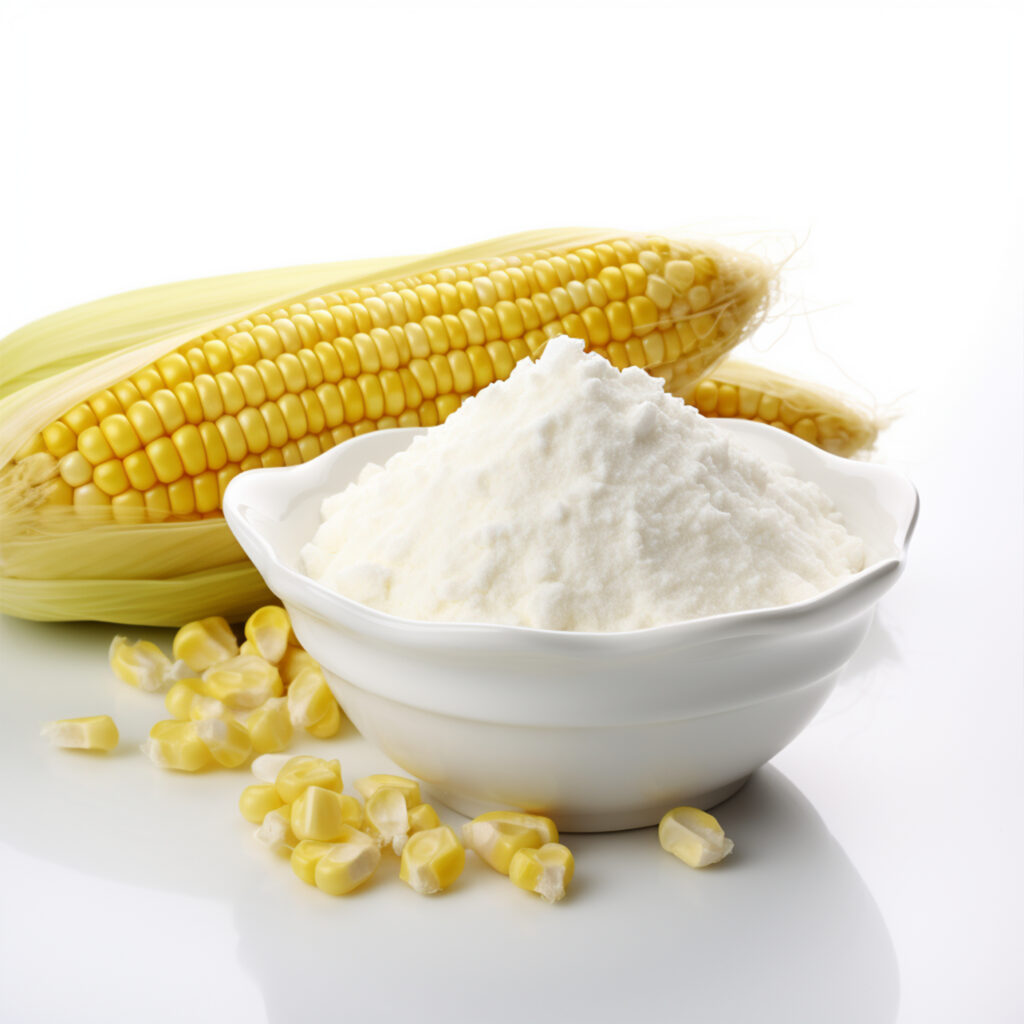
A specification sheet tells you what a supplier expects their maize starch, or corn starch, to test at. It doesn’t tell you how they actually confirm it. For buyers who’ve never spent time inside a starch testing lab, understanding what happens between a raw batch and a released Certificate of Analysis makes it a lot easier to judge whether a supplier’s quality claims are backed by real process, or just printed on a template.
Why testing isn’t a formality
Starch behaves differently depending on moisture, particle size, and a handful of other properties that aren’t visible just by looking at the powder. Two batches can look identical and perform completely differently in your process. Testing exists to catch that gap before a batch ships, not after a customer calls to say something’s wrong.
Moisture testing
This is usually the first test run, and for good reason, since moisture affects shelf life, flow behaviour, and clumping risk more than almost any other single parameter. Labs typically use either a moisture analyser with controlled heating or a standard oven-drying method, weighing the sample before and after to calculate moisture loss as a percentage. It’s a simple test, but it’s run on nearly every batch precisely because it catches so many downstream problems early.
Viscosity testing
Viscosity is tested using a Brookfield viscometer, which measures the resistance of a starch slurry as a spindle rotates through it at a set speed and temperature. The result is reported in centipoise, and it’s one of the most closely watched numbers on a Certificate of Analysis because it predicts directly how the starch will behave once a customer cooks or processes it. Different grades are tested at different slurry ratios and temperatures depending on their intended use, which is part of why comparing viscosity numbers across suppliers only makes sense if the testing method matches.
pH and particle size
pH is measured on a diluted slurry and matters more than it might seem, since it affects how starch interacts with other chemicals in a customer’s process, particularly in papermaking and textile applications. Particle size, meanwhile, is typically checked through sieve analysis, passing a sample through mesh screens of a defined size to confirm the powder falls within the expected range. Finer, more uniform particle size generally means more predictable dispersion once the starch is mixed.
Ash content and microbial testing
Ash content, essentially the mineral residue left after a sample is burned at high temperature, indicates how thoroughly impurities were removed during processing. Lower ash generally signals a cleaner, more refined starch. For food and pharmaceutical grades specifically, microbial testing is also standard, checking for total plate count and specific pathogens to confirm the batch meets the hygiene standards those industries require.
How often testing should actually happen
This is worth asking directly, because practices vary more than buyers expect. Some suppliers test every single batch before it’s released for shipment. Others test periodically and rely on process consistency to fill the gaps between full test cycles. Neither approach is automatically wrong, a well-controlled process with periodic verification can be perfectly reliable, but you should know which model you’re actually buying into, especially for food, pharmaceutical, or other applications where batch-level consistency really matters.
It’s also worth asking whether test results are retained and retrievable. A supplier who can pull up the specific test data for the batch number on your delivery note, months after the fact, is demonstrating a level of quality documentation that a lot of smaller operations simply don’t maintain. That retrievability matters most exactly when you need it, during a quality dispute, not during a routine order.
When to bring in third-party verification
A supplier’s own Certificate of Analysis is usually sufficient for an ongoing relationship with a track record behind it. But for a new supplier relationship, a large first order, or any application with strict regulatory requirements, independent third-party lab verification is worth the additional cost and time. It removes any question of whether internal testing might be optimistic, and it gives you your own documented baseline to compare future batches against.
Most reputable suppliers won’t object to this, and some will even recommend it themselves for a first-time buyer relationship, since it protects both sides. If a supplier actively discourages independent testing on a significant order, that reaction is worth noting, even if they can’t articulate a good reason for the hesitation.
What buyers should ask for
Don’t just ask for a Certificate of Analysis. Ask which specific tests were run, what method was used, and whether testing happens on every batch or only periodically. A supplier with a genuine in-house lab and a documented testing routine will answer these questions without hesitation, because they’re describing something they actually do every day, not something they’re improvising an answer to.
Building a relationship with a supplier who documents this well also saves time on your end, since you spend less energy re-verifying claims and more time actually using the product. None of these tests are complicated in isolation. What separates a genuinely quality-focused supplier from one that just talks about quality is whether all of them happen consistently, on every batch that matters, with results a buyer can actually see rather than take on faith.
nn
If you’d like to understand the testing standards we hold our own maize starch batches to, our maize starch supply and export page has the specification details our quality process is built around.