
Common Maize Starch Quality Problems and How to Diagnose Them

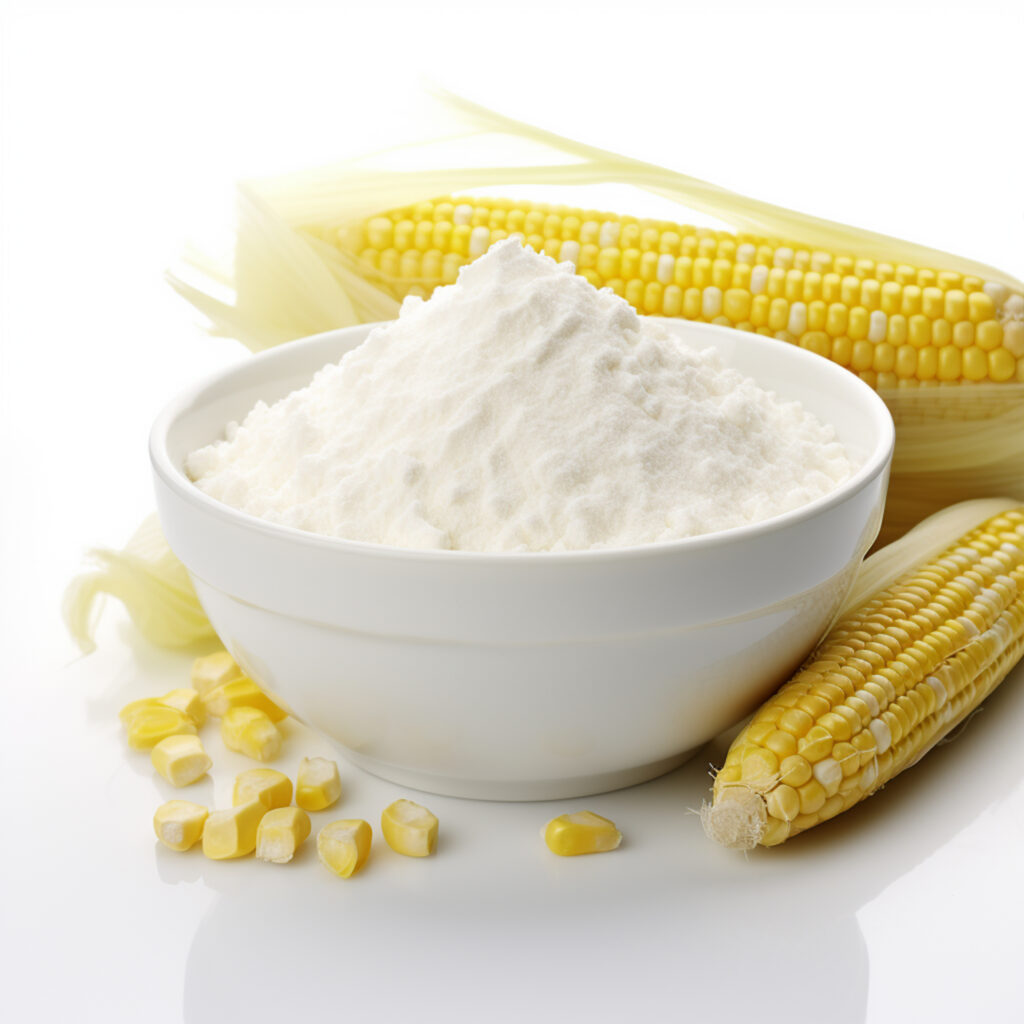
Every experienced buyer of maize starch, or corn starch, has a story about a batch that just wasn’t right. Maybe it clumped in storage, maybe it thickened differently than the last order, maybe the colour was slightly off. Most of these problems trace back to a small set of root causes, and knowing them makes it much easier to tell a genuine quality issue from normal batch-to-batch variation, and to know what to actually ask your supplier when something looks wrong.
Clumping and moisture-related caking
This is the complaint we hear most often, and it almost always comes back to moisture. Maize starch typically sits in a moisture range of around 10 to 12 percent, and if a batch runs high, or if it picks up ambient moisture during storage in a humid warehouse, it starts to cake. Once starch clumps, it doesn’t just look wrong, it stops dispersing evenly when mixed, which throws off everything downstream in your process.
Before assuming the supplier shipped a bad batch, check your own storage conditions first. Starch stored near a loading dock door, in a non-climate-controlled warehouse during monsoon season, or in torn or improperly sealed bags will absorb moisture regardless of how good the starch was when it left the factory.
Viscosity that doesn’t match the last order
Viscosity is the property most industrial processes depend on, and it’s also the one most sensitive to small variations in raw maize quality or processing conditions. If a batch cooks up thicker or thinner than expected, the cause is usually either a raw material shift the mill didn’t fully correct for, or a mismatch between what was ordered and what was actually shipped, for instance, a native grade arriving when a modified grade was specified.
Asking for the Certificate of Analysis for the specific batch you received, not a generic spec sheet, is the fastest way to confirm whether the viscosity is actually within range or genuinely off.
Discoloration or an off-white appearance
Pure maize starch should be a consistent white. A yellowish or greyish tint usually points to either impurities that weren’t fully separated during milling, protein content that’s higher than it should be, or contamination from another material during storage or transport. None of these are always dealbreakers depending on your application, but they’re worth flagging to a supplier rather than assuming it’s cosmetic.
Cross-contamination between grades
Mills that run multiple starch grades, native, oxidized, cationic, and others, on the same equipment need disciplined cleaning and segregation between production runs. When that discipline slips, even slightly, a batch can pick up trace contamination from a different grade, which shows up as unexpected behaviour that doesn’t match the specification sheet at all. This is one of the harder problems to diagnose from the outside, which is exactly why it’s worth asking a supplier directly how they handle grade changeovers on their production line.
Preventing problems before they start
Most of the issues above are easier to prevent than to fix after the fact. On the buyer side, that means storing starch in a dry, climate-stable area away from loading docks and exterior walls, using older stock before newer deliveries on a first-in-first-out basis, and resealing bags properly if a partial quantity is used rather than leaving them open to ambient humidity. None of this is complicated, but it’s surprising how often a genuine supplier quality issue turns out to actually be a storage issue once you walk through the timeline.
On the supplier side, prevention looks like consistent raw material qualification, disciplined cleaning between grade changeovers, and testing that happens on every batch rather than spot-checking occasionally and hoping the pattern holds. When you’re evaluating a new supplier, ask about their prevention practices specifically, not just their finished product specifications. A supplier who can describe how they prevent problems is usually more reliable than one who can only describe how they’d respond to a complaint.
Unusual odor, a smaller but real warning sign
Fresh maize starch should be essentially odorless, with at most a faint, neutral grain-like smell. A sour, musty, or otherwise off odor is worth taking seriously, since it can indicate microbial growth, usually tied back to moisture exposure during storage or transport, or occasionally residual processing chemicals that weren’t fully washed out during manufacturing. This is a less common complaint than clumping or viscosity drift, but when it does show up, it’s not something to dismiss as cosmetic. Odor issues warrant pulling the batch from active use until the cause is confirmed, particularly for any food or pharmaceutical application.
What to actually do when you spot a problem
Document it properly before raising it. Note the batch number, the date received, storage conditions since arrival, and exactly how the starch is behaving differently. A supplier who takes quality seriously will want this information, not resist giving you an answer. If a supplier is vague, slow, or defensive about a documented quality concern, that response tells you more about the relationship than the individual batch ever will.
Keep in mind that a single off batch, even a genuinely defective one, doesn’t necessarily mean a supplier relationship is worth ending. What matters more is how the supplier responds once a documented issue is raised, whether they investigate, replace the batch, and adjust their process, or whether the same problem quietly repeats on the next order.
nn
If you’re dealing with recurring quality inconsistency and want to compare notes on specifications, our maize starch supply and export page outlines the parameters we hold every batch to before it ships.