
Maize Starch Supply Chain: From Farm to Factory to Your Warehouse

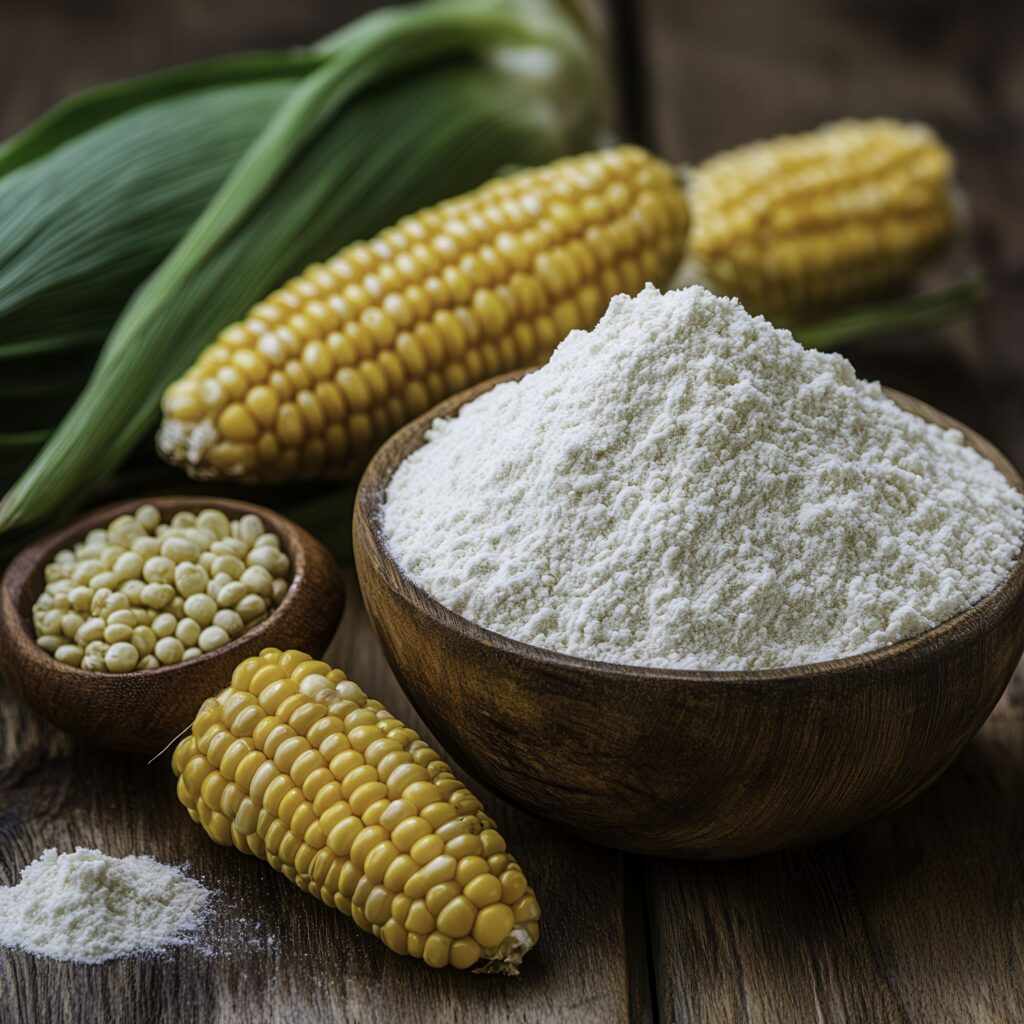
Most buyers only ever see a bag of maize starch, or corn starch, once it’s sitting on a pallet in their own warehouse. Everything before that, the field it came from, the mill it passed through, the checks it survived along the way, stays invisible unless you go looking for it. That’s a problem, because the parts of the supply chain you can’t see are usually the parts that determine whether your next order performs the same way the last one did.
Here’s what actually happens between a maize field and your loading dock, and why each stage matters more than it looks.
It starts with the maize, not the factory
Every batch of starch is only as good as the maize it came from. Moisture content at harvest, kernel quality, and how the grain was stored before it ever reached a processor all carry through into the final product. A mill can’t fully correct for poor-quality input maize, it can only manage around it, and that management shows up as inconsistency batch to batch.
This is why sourcing decisions matter as much as processing technology. Suppliers who are selective about which growers and grain markets they buy from, rather than taking whatever is cheapest that week, tend to produce starch that behaves the same way order after order. That consistency is worth more to most industrial buyers than a marginally lower price.
Between the field and the mill
Raw maize doesn’t go straight from harvest to processing. It moves through collection points, gets transported, and often sits in storage for some period before milling begins. Every one of those steps is an opportunity for moisture to creep in or quality to drift, particularly if storage conditions aren’t tightly controlled.
Reliable processors test incoming maize before it’s accepted into production, not after problems show up in the finished starch. That single checkpoint, testing at intake rather than trusting the paperwork, is one of the clearest signals of how seriously a supplier takes consistency.
Where consistency is actually built
Inside the mill is where raw maize becomes the fine white powder every downstream industry depends on, through steeping, grinding, separation, and drying. But the technical process is only half the story. The other half is what happens in between each step: how often samples are pulled, what parameters get checked, and whether a batch that drifts outside spec gets caught before it’s packed or after a customer calls to ask what changed.
This is also where the difference between native starch and the various modified grades gets created, depending on what a batch is destined for. A mill running food-grade and industrial-grade lines side by side needs disciplined segregation between them, since cross-contamination between grades is a real risk if the process isn’t controlled carefully.
Packaging is the last checkpoint, not just the wrapping
By the time starch reaches packaging, all the process work is already done, but packaging is what protects that work on its way to you. Maize starch is hygroscopic, meaning it readily absorbs moisture from the air, so the bag it ships in is doing real functional work, not just holding the product together for transport.
HDPE-lined bags, correct sealing, and appropriate palletization all reduce the risk of moisture ingress or physical damage between the factory floor and your receiving dock. A supplier who’s thought carefully about production but packs carelessly can still hand you a compromised batch, which is why packaging deserves the same scrutiny as the specification sheet.
Getting it to your warehouse
The last stretch, whether that’s a domestic delivery across a few states or an export shipment crossing an ocean, is where lead times get tested against reality. Domestic buyers can usually absorb short delays without much disruption. Export buyers rarely have that flexibility, since a late shipment can back up an entire production schedule on the receiving end.
A supplier who gives you a realistic lead time, and communicates early if something in that chain slips, is worth more over a long-term relationship than one who always says yes to your requested date and occasionally doesn’t deliver on it.
Traceability is becoming the norm, not the exception
A few years ago, most buyers were satisfied with a Certificate of Analysis and a reasonable price. That’s shifting. More industrial buyers, particularly in food and pharmaceutical manufacturing, are asking suppliers to show batch-level traceability back to the raw maize source, not just the finished product’s test results. Part of this is regulatory pressure trickling down from end markets. Part of it is simply that buyers have been burned before by inconsistent batches and want a paper trail when something goes wrong.
For suppliers, this means recordkeeping has become as much a part of the product as the starch itself. Which field or region a batch of maize came from, when it was milled, what quality checks it passed, and how it was packaged all need to be retrievable, not just remembered. For buyers, it means asking a supplier about their traceability practices is no longer an unusual question, it’s a reasonable one, and a supplier who can answer it clearly and quickly is telling you something real about how their operation is run.
Why this is worth understanding as a buyer
None of this is information you need to manage yourself. But knowing what a well-run supply chain actually looks like gives you a much better basis for evaluating a supplier than a price quote alone ever will. The questions worth asking are simple: where does your maize come from, what gets tested and when, and how is the product protected between your factory and mine.
If you’d like to understand how our own sourcing, processing, and packaging fits together end to end, our maize starch supply and export page covers the specifications, packaging formats, and supply capability we work with for both domestic and export orders.