
Exporting Maize Starch from India: HS Code, IEC & Documentation Guide

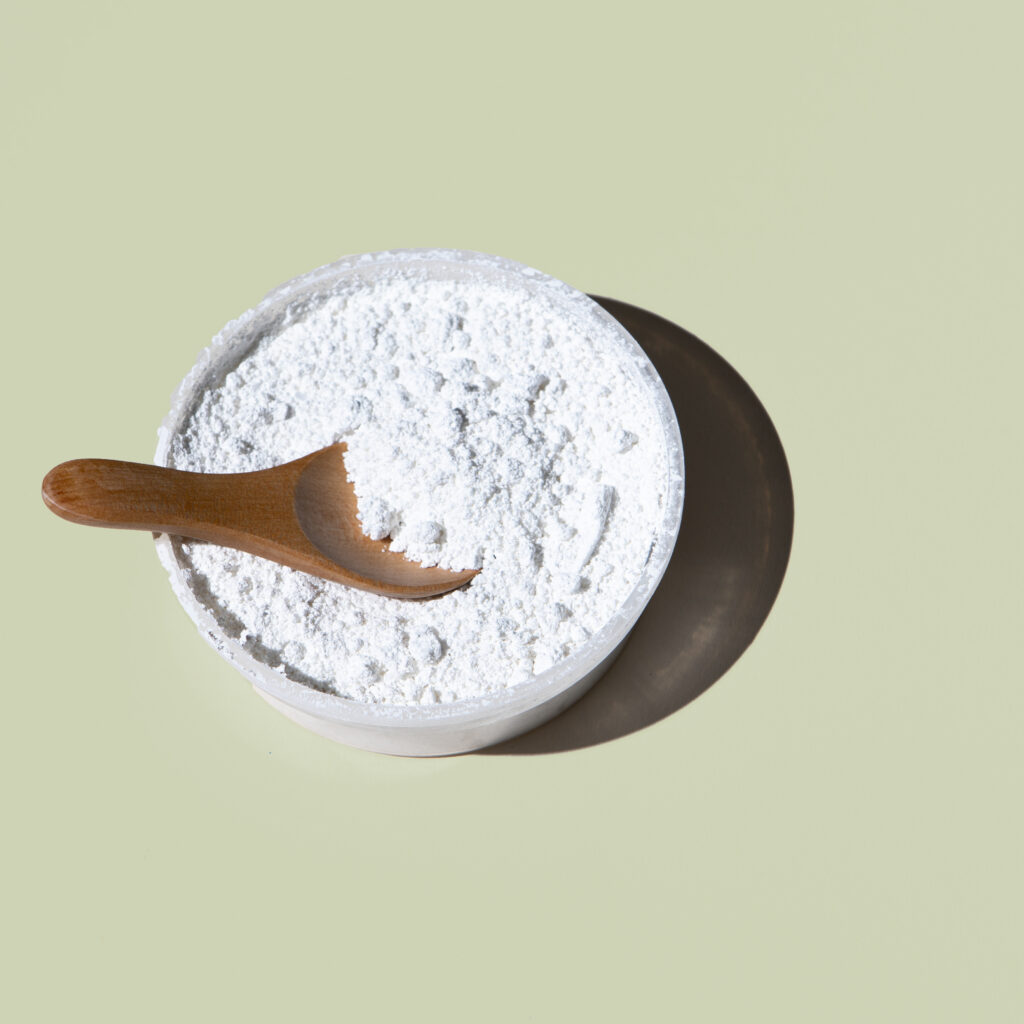
Every international shipment of maize starch, corn starch to most overseas buyers, has to clear customs on both ends, and that process runs on paperwork most first-time exporters and importers underestimate. If you’re a buyer trying to understand what a supplier should be handing you, or an Indian business figuring out how to export starch for the first time, the mechanics are more approachable than they look. They just need to be done in the right order.
The HS code every shipment falls under
Maize starch is classified internationally under HS code 1108, with the specific subheading 11081200 used for maize (corn) starch in most customs systems, India’s included. This code is what determines the duty rate applied, which trade agreements might reduce it, and how the shipment gets flagged for inspection. Getting it wrong isn’t a minor clerical slip. A misclassified shipment can get held at customs, reassessed at a different duty rate, or delayed long enough to miss a buyer’s production schedule.
If you’re sourcing from a supplier, it’s worth asking them directly which HS code they use on their commercial documents and confirming it matches what your own customs broker expects on the receiving end. The two sides don’t always talk to each other before the shipment moves, and that’s usually where the confusion starts.
What has to be in place before a shipment can move
On the Indian side, exporting anything, starch included, starts well before a single bag is packed. A business needs to be registered under the Companies Act, and it needs an Import Export Code, commonly shortened to IEC, issued by the Directorate General of Foreign Trade. Without an active IEC, no legal export shipment can leave the country, regardless of how ready the product itself is.
Beyond the IEC, exporters are expected to operate within India’s Foreign Trade Policy, which sets the broader rules for what can be exported, under what conditions, and with what supporting approvals. For a straightforward commodity like maize starch, this usually isn’t a heavy lift, but it’s not something to skip past either. A supplier who’s been exporting for years will have this sorted long before your order comes in. A newer one might still be working through it, which is worth knowing upfront.
The documents a buyer should actually expect
Once the regulatory side is handled, the shipment itself needs its own paper trail. For most maize starch export orders, that means:
- A Certificate of Analysis confirming the batch meets the agreed specification
- A Material Safety Data Sheet, particularly for industrial-grade orders
- A commercial invoice and packing list that match each other exactly in quantity and weight
- A certificate of origin, which some destination countries require for duty or trade-agreement purposes
None of this is unusual to ask for. If a supplier hesitates when you request these documents ahead of a shipment, that hesitation tells you something worth paying attention to before you commit to the order, not after it’s already on a vessel.
Packaging built for the journey, not just the warehouse
Export packaging has to survive a longer, rougher journey than a domestic delivery, often weeks at sea, multiple handling points, and humidity swings the product was never going to face on a short truck ride. Maize starch is moisture-sensitive, so the packaging format matters as much as the product specification inside it. HDPE-lined bags, proper palletization, and container loading that accounts for weight distribution all reduce the chance of a shipment arriving damaged or compromised.
This is also where labeling accuracy matters. Net weight, gross weight, batch number, and country of origin all need to be clearly and correctly marked, both because customs authorities check for it and because it makes life easier for whoever is unloading the container on the other end.
What GST and import duty look like on the receiving end
Domestic buyers within India pay GST on maize starch purchases like any other input, but the more common question we hear is from overseas buyers asking what they’ll owe once the shipment lands. That answer depends entirely on the importing country’s own tariff schedule, since HS code 11081200 gets a different duty treatment in every jurisdiction. Some countries with trade agreements in place with India apply reduced or zero duty on this classification, while others apply their standard rate.
This is worth checking before an order is confirmed, not after, since duty costs on the receiving end can shift the real landed cost of a shipment enough to change which supplier actually offers the better deal. A supplier who can speak knowledgeably about how their product is typically classified and treated in your specific market is a useful signal that they’ve exported there before and aren’t learning the route on your shipment.
Where export shipments usually go wrong
Most export delays trace back to a small number of avoidable mistakes: an HS code mismatch between the exporter’s and importer’s documents, a Certificate of Analysis that doesn’t arrive until after the shipment has already left, or a packing list that doesn’t reconcile with the invoice down to the last unit. None of these are complicated problems. They’re just easy to overlook when a business is moving fast, which is exactly when they tend to happen.
Working with a supplier who treats documentation as part of the product, not an afterthought once the order is confirmed, removes most of this risk before it becomes your problem to solve at a port somewhere.
If you’re evaluating suppliers for an upcoming export order, our maize starch supply and export page covers the packaging formats, specifications, and documentation support we provide for both domestic and international shipments.