
Maize Starch Price Trends in India: What’s Driving Costs in 2026

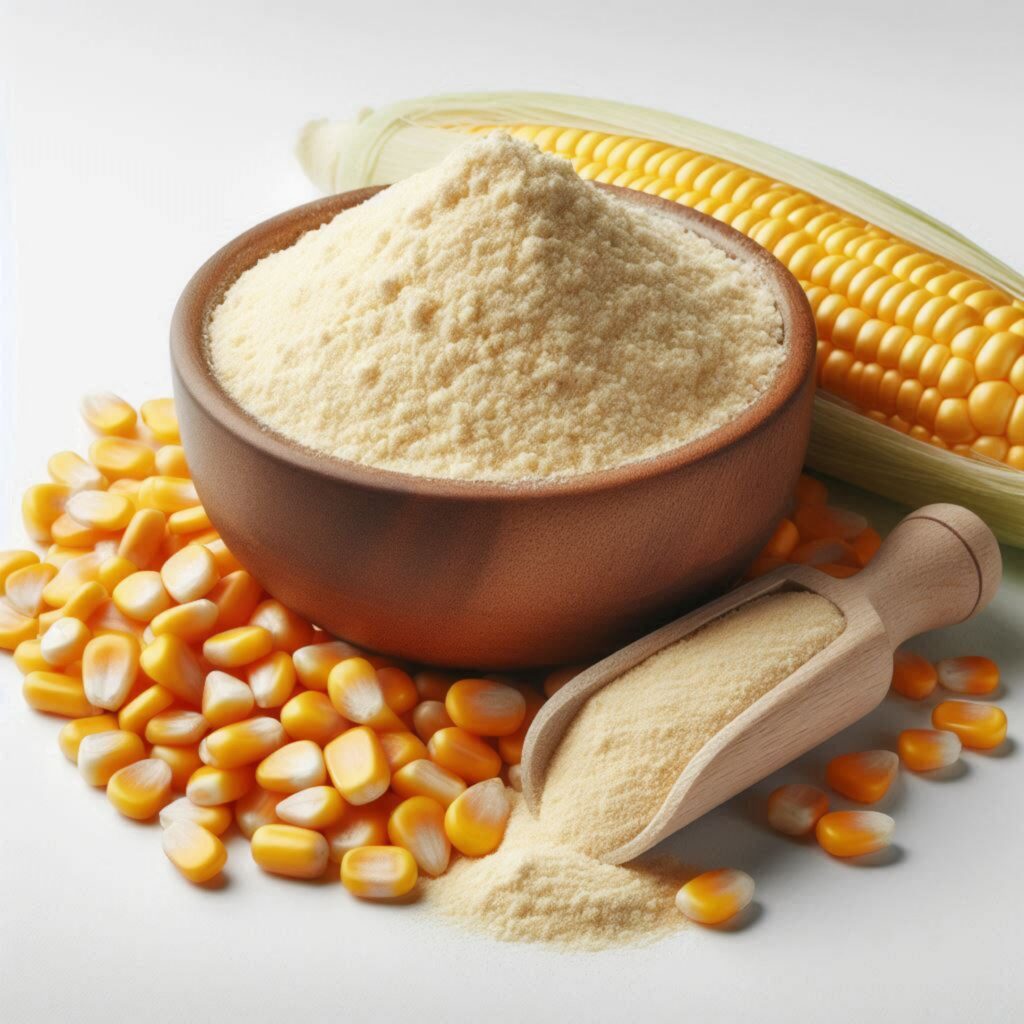
If you’ve bought maize starch, or corn starch as it’s called just as often outside industrial circles, in the last year, you’ve probably noticed the quote you get today doesn’t match the one from three months ago. That’s not a supplier being difficult. Starch pricing in India moves with a handful of specific forces, and once you know what they are, budgeting for it gets a lot less stressful.
This isn’t a market where prices drift for no reason. Maize starch is an agricultural derivative before it’s an industrial input, which means its cost structure is tied to a harvest calendar and a global trade picture, not just to a manufacturer’s overhead.
India’s position in the global starch trade
India isn’t a minor player here. The country ranks among the world’s largest producers and consumers of maize starch, with domestic production comfortably ahead of domestic consumption. That surplus is exactly why India has built a steady export business in starch, rather than needing to import it to meet local demand.
That export orientation matters for pricing because it means Indian starch producers are watching two markets at once: what buyers at home will pay, and what the price needs to be to stay competitive against other exporting nations. When those two numbers pull in different directions, that’s usually when domestic buyers notice the most movement.
Why export and domestic prices don’t match
Here’s something that surprises a lot of first-time buyers: the price India pays to import specialty starch grades and the price it charges to export standard grades aren’t close to each other. Imported material, usually brought in for specific quality attributes a buyer’s process demands, tends to command a noticeably higher price than what gets exported out. It’s not a contradiction. It reflects the fact that “maize starch” isn’t one product with one price. It’s a range of grades, and the grade you need determines which price band you’re actually shopping in.
This is worth sitting with if you’re comparing quotes from different suppliers. A number that looks unusually low might be quoting a grade that doesn’t match your specification sheet, not necessarily a better deal.
The monsoon factor nobody budgets for until it hits
Maize is a monsoon-sensitive crop, and that sensitivity flows directly into starch pricing. A strong monsoon with good yields tends to ease raw material costs for processors. A weak or erratic one does the opposite, and it doesn’t take a full-blown drought to move prices. Even regional variability, good rainfall in one maize-growing belt and poor rainfall in another, shows up in procurement costs within weeks.
If your business runs on annual or seasonal contracts, this is the single biggest reason to build in some pricing flexibility rather than locking a rate a full year out. Suppliers who’ve been in this business a while build their own contracts around this same reality.
Beyond the monsoon, a few other levers move the needle:
- Land allocation decisions, since farmers weighing maize against soybeans or pulses each season directly affects how much maize reaches processors
- Energy and logistics costs, which sit on top of the raw material price and have been anything but stable industry-wide
- Global demand pull from food, pharmaceutical, paper, and textile sectors, all of which compete for the same starch supply
What this means if you’re buying
None of this is a reason to panic-buy or over-order. It’s a reason to ask better questions. When you’re evaluating a supplier, it’s worth asking directly how they handle raw material volatility, whether they offer any price stability within a contract period, and how far in advance they can lock a rate for your volume.
Suppliers who can speak to this clearly, rather than just quoting a number and moving on, are usually the ones who’ve thought about your side of the relationship, not just theirs.
How experienced suppliers manage the volatility
The suppliers who handle price swings well aren’t the ones who avoid volatility altogether, nobody in this industry does. They’re the ones who’ve built processes around it. That usually means maintaining relationships with more than one maize source rather than depending on a single region, so a poor harvest in one belt doesn’t translate directly into a supply problem. It also means holding enough working inventory to smooth over short-term price spikes rather than passing every fluctuation straight through to the customer.
Some suppliers also structure their contracts differently depending on order size and duration. A large annual buyer might get a blended rate that averages out seasonal swings, while a spot buyer pays closer to the current market price at the time of order. Neither approach is wrong, but it helps to know which one you’re actually being offered, since the two can look similar on a quote and behave very differently once the market moves.
Transparency here tends to correlate with reliability elsewhere. A supplier willing to explain why a price moved, rather than just presenting a new number, is usually the same supplier who’ll tell you honestly if a shipment is going to be late rather than let you find out the day it was supposed to arrive.
Sourcing with the market, not against it
Understanding what moves maize starch pricing doesn’t just help you time a purchase. It helps you have a more informed conversation with whoever you’re buying from, and it makes it a lot easier to tell a fair quote from an inflated one.
If you’re currently evaluating suppliers or want to understand where your specification fits into the pricing picture, our maize starch supply and export page covers the grades, packaging, and documentation we work with, alongside a team that’s used to fielding exactly these kinds of pricing questions.