
Maize starch is one of those ingredients that quietly powers multiple industries without getting much attention. Whether it’s the smooth texture of a packaged soup, the strength of a tablet, or the finish of high-quality paper, maize starch plays a key role behind the scenes. For businesses in India—especially in food, pharma, and manufacturing—understanding maize starch is not just useful, it’s essential.
In this complete beginner guide by Sevagram Excipients, we’ll explain maize starch in the simplest way possible, while also giving you a practical, industry-focused perspective. If you are looking to source or understand this product better, this guide will give you clarity.
What is Maize Starch?
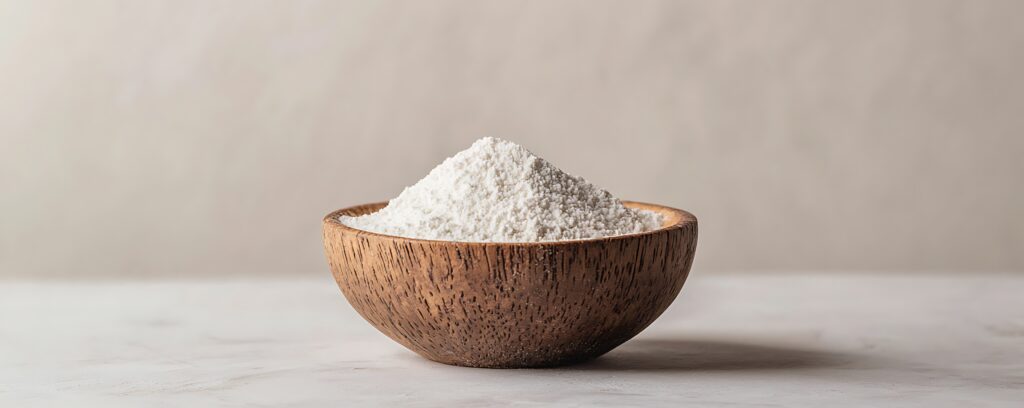
Maize starch is a fine, white powder extracted from the inner part of maize (corn) kernels. It is primarily made up of carbohydrates and is known for its ability to absorb water, thicken liquids, and bind ingredients together.
In simple terms, maize starch is used wherever you need consistency, structure, or smoothness in a product. That’s why it has become a widely used raw material across industries.
From an industrial point of view, maize starch is valued because it is stable, easy to process, and highly adaptable. As maize starch suppliers in India, companies like Sevagram Excipients focus on delivering consistent quality that fits different applications—from food-grade to pharmaceutical-grade requirements.
Corn Starch vs Maize Starch
A lot of people get confused between corn starch and maize starch, but the difference is mostly in terminology rather than composition.
Both come from the same source—maize (corn). The difference lies in how the term is used.
Corn starch is a term more commonly used in countries like the United States, especially in household cooking. Maize starch, on the other hand, is the preferred term in industrial and commercial sectors, particularly in India.
In terms of properties, performance, and composition, there is no real difference. For a manufacturer or business owner, both refer to the same ingredient.
Here’s a simple comparison to make it clearer:
Factor | Maize Starch | Corn Starch |
Source | Maize (corn) | Maize (corn) |
Usage Context | Industrial, bulk supply | Household, retail |
Common Term in India | Yes | Less common |
Functional Properties | Same | Same |
So, whether you are dealing with food production or pharmaceuticals, you can treat both terms as interchangeable.
How is Maize Starch Made?
The process of making maize starch is industrial, but the basic idea is easy to understand. It involves separating starch from the other parts of the corn kernel.
First, the maize kernels are cleaned thoroughly to remove dust and impurities. After that, they are soaked in water for a certain period to soften them. This step helps in breaking down the structure of the kernel.
Once softened, the kernels are ground into smaller particles. This allows the different components—fiber, protein, and starch—to be separated. Through a combination of filtration and centrifugal processes, the starch is isolated from the rest.
The extracted starch is then washed multiple times to remove any remaining impurities. Finally, it is dried into a fine powder, which becomes the maize starch used in industries.
For businesses sourcing at scale, working with reliable maize starch exporters in India ensures that the product maintains purity, consistency, and performance across batches.
Where is Maize Starch Used?
One of the biggest reasons maize starch is so popular is its versatility. It fits into multiple industries without requiring major changes in processing.
In the food industry, maize starch is widely used as a thickening agent. It helps give sauces, soups, and ready-to-eat meals the right consistency. Many Indian packaged food brands rely on it to maintain texture and shelf stability.
In pharmaceuticals, maize starch plays a more technical role. It is used in tablet manufacturing as a binder and disintegrant. This ensures that tablets hold their shape but also dissolve properly when consumed. For this reason, pharma companies depend on high-quality starch with strict specifications.
The textile industry uses maize starch during the finishing process. It helps strengthen yarn and improve the feel of the fabric. In major textile hubs across India, starch-based treatments are a regular part of production.
In paper manufacturing, maize starch improves the strength and smoothness of paper. It also enhances print quality, making it an important component for paper mills.
The packaging industry, especially with the rise of e-commerce, uses maize starch in adhesives for corrugated boxes. These starch-based adhesives are not only effective but also more environmentally friendly compared to synthetic options.
Types of Starch Used in Industry
While maize starch is the most commonly used, it is not the only type available. Different industries sometimes choose other starches depending on specific requirements.
Here is a simple comparison:
Type of Starch | Source | Key Characteristic | Common Applications |
Maize Starch | Corn | Balanced performance | Food, pharma, paper |
Tapioca Starch | Cassava | Smooth texture | Food, textiles |
Potato Starch | Potato | High viscosity | Snacks, specialty foods |
Wheat Starch | Wheat | Contains protein traces | Bakery, adhesives |
Even with these options, maize starch remains the preferred choice for most industries in India because it offers a good balance between cost, availability, and functionality.
Why Maize Starch is Widely Used in India
India has a strong agricultural base for maize production, which naturally supports the starch industry. This makes maize starch easily available and cost-effective compared to alternatives.
Another reason is its adaptability. It works well in both food and non-food applications without requiring significant changes. This flexibility is important for industries that operate at scale.
There is also a growing shift towards eco-friendly materials. Since maize starch is biodegradable and derived from natural sources, it fits well into sustainable manufacturing practices.
For companies looking to scale operations or maintain consistent product quality, partnering with experienced maize starch suppliers in India becomes an important step.
How to Choose the Right Supplier
When sourcing maize starch, quality consistency, certifications, and export readiness all matter more than price alone. See our full guide on how to choose a maize starch supplier for a practical checklist before you commit to an order.
Final Thoughts
Maize starch may seem like a basic ingredient, but its role in modern industry is significant. It supports multiple sectors, improves product quality, and offers a cost-effective solution for manufacturers.
From food processing units in India to pharmaceutical companies and packaging industries, maize starch continues to be an essential raw material. Its simplicity is what makes it powerful—it does its job quietly but effectively.
For businesses looking to grow, understanding and sourcing the right quality of maize starch can make a real difference. With the right supplier, it becomes more than just a raw material—it becomes a reliable part
OUR OTHER PRODUCTS
Partner With Sevagram Excipients
Sevagram Excipients works with food processors, industrial manufacturers, traders, and distributors who require a reliable, long-term supply partner for maize (corn) starch. As a dedicated supplier and exporter, our role extends beyond transactional sourcing to supporting continuity, consistency, and confidence in starch procurement.
We understand that maize starch is a critical functional input across many processes, where fluctuations in quality, moisture, or viscosity can directly impact production efficiency and finished product performance. Our supply approach is therefore built around predictable specifications, disciplined supplier selection, and structured logistics coordination, enabling customers to plan their operations without uncertainty.
If you are seeking a dependable supplier and exporter of maize (corn) starch, Sevagram Excipients offers structured sourcing, consistent quality focus, and export-capable supply support.
- Request Product Specifications
- Discuss Bulk or Contract Supply
- Export and Distribution Enquiries