
In the world of manufacturing, some materials quietly play a massive role behind the scenes. Maize starch—also known as corn starch—is one of them. It may look like a simple white powder, but for industries across India, it is a critical ingredient that affects product quality, consistency, and cost.
From pharmaceuticals to food processing, textiles to packaging, maize starch is deeply embedded in Indian manufacturing. Yet, many businesses treat it as a basic commodity and miss out on understanding how much impact the right quality and supplier can make.
This guide is designed to give you a clear, practical understanding of maize starch in the Indian context—without overcomplicating things. If you are a business owner, procurement manager, or manufacturer, this will help you make smarter decisions.
What is Maize Starch?
Maize starch and corn starch are essentially the same product. The difference is only in terminology. In industrial and B2B markets across India, “maize starch” is the more commonly used term.
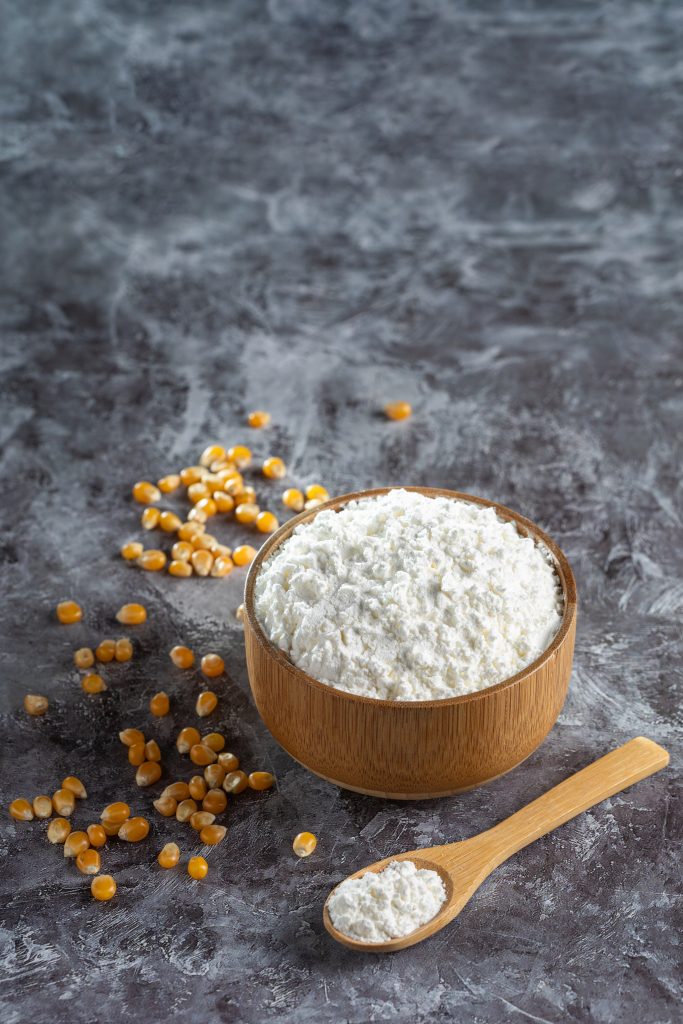
It is extracted from maize kernels and primarily consists of carbohydrates. The powder is fine, smooth, and neutral in taste and smell. Its biggest functional advantage is its ability to thicken and form a gel when heated with water.
This simple property makes it extremely valuable across industries. But for businesses, the focus should not just be on what maize starch is—it should be on how consistently it performs in real-world applications.
How Maize Starch is Manufactured
The manufacturing process plays a huge role in determining quality. While the steps may sound straightforward, the level of control during each stage makes all the difference.
The process begins with cleaning the maize to remove impurities. The kernels are then soaked in water for a day or two to soften them. This is followed by grinding, where the maize is broken down into different components like fiber, germ, protein, and starch.
The starch is separated, washed, and purified multiple times before being dried into powder form. At each stage, precision matters. Poor processing can lead to inconsistent quality, higher moisture content, or impurities.
For a business, this translates into a simple insight: not all starch suppliers are equal. The process they follow directly affects your end product.
Types of Maize Starch in India
Maize starch is not a one-size-fits-all material. Different industries require different properties, and that is where variations come in.
The most basic type is native starch. It is untreated and works well for general applications where high performance is not critical.
Then comes modified starch, which is processed further to improve stability, heat resistance, and consistency. This is widely used in industries that require precision, such as pharmaceuticals and processed foods.
Pregelatinized starch is designed for quick solubility and is commonly used in instant food products and certain pharmaceutical formulations.
There are also specialized variants like oxidized starch, which are preferred in industries such as paper and textiles due to their smoother application and controlled viscosity.
Choosing the right type is not just a technical decision—it directly affects efficiency, cost, and product quality.
Industrial Applications in India
Maize starch is one of the most versatile raw materials used across Indian industries.
In pharmaceuticals, it is used as a binder and disintegrant in tablets. It ensures that tablets hold their shape while also breaking down properly when consumed. In this sector, consistency and compliance are non-negotiable.
In the food industry, maize starch acts as a thickening and stabilizing agent. It improves texture, enhances appearance, and maintains consistency in packaged food products.
The textile industry uses it for fabric finishing and yarn strengthening. It helps improve durability and smoothness, which are important for overall fabric quality.
In paper manufacturing, maize starch enhances strength and surface finish. It also improves printability, making it essential for both writing paper and packaging materials.
The adhesives industry uses starch to create cost-effective and eco-friendly bonding solutions, especially in corrugated packaging. With the growth of e-commerce in India, this segment is expanding rapidly.
Why Maize Starch is Important for Indian Businesses
India’s strong agricultural base makes maize starch both accessible and cost-effective. This gives Indian manufacturers a significant advantage compared to markets that rely heavily on imports.
It is also a highly versatile material, which means businesses can use it across multiple applications without needing entirely different raw materials. On top of that, it is biodegradable and aligns with the increasing demand for sustainable solutions.
Another important factor is scalability. As your business grows, maize starch is one raw material that can grow with you—provided you choose the right supplier.
What Defines Good Quality Maize Starch?
Quality is where most businesses either gain an edge or face problems.
Purity is a major factor. High-purity starch performs better and reduces the chances of defects in the final product. Moisture content must be controlled, as excess moisture can lead to clumping and reduced shelf life.
Particle size plays a key role in industries like pharmaceuticals and food processing. Uniform particle size ensures consistent behavior in formulations.
Viscosity determines how well the starch performs as a thickening or binding agent. This becomes especially important in food and industrial applications.
Compliance with standards such as IP, BP, USP, or FSSAI is critical depending on your industry. Without proper compliance, even good-quality starch cannot be used in regulated sectors.
Indian Market Trends and Export Potential
India’s maize starch market is growing steadily, driven by demand from pharmaceuticals, food processing, and packaging industries. At the same time, the country is emerging as a strong global supplier.
There is increasing international demand for Indian maize starch due to competitive pricing and improving quality standards. As a result, many manufacturers are now focusing on exports.
This has also led to the rise of some of the best maize starch exporters in India, who are not only supplying domestically but also catering to global markets with consistent quality and compliance.
For buyers, this is a positive development. It means better standards, improved processes, and more reliable supply chains within the country.
How to Choose the Right Supplier
Selecting the right supplier is one of the most important decisions you will make.
A reliable supplier focuses on consistency, not just price. They understand your industry requirements and provide the right type of starch accordingly. They also maintain strict quality control and ensure every batch performs the same way.
Certifications, manufacturing capability, and technical support are strong indicators of a good supplier. Equally important is their ability to scale with your business and deliver on time.
Businesses that partner with trusted suppliers often see fewer production issues, better product quality, and long-term cost savings.
Sevagram Excipients is one such maize starch supplier and exporter in India, built around consistent specifications and structured logistics.
Storage and Handling
Even the best maize starch can lose its quality if not stored properly.
It should be kept in a cool, dry environment, away from moisture and direct sunlight. Proper packaging and storage conditions help maintain its properties and extend shelf life.
For large-scale operations, investing in good storage systems is essential to avoid losses and maintain consistency
Future of Maize Starch in India
The future of maize starch in India looks strong. With the growth of manufacturing and exports, demand is expected to increase across sectors.
There is a clear shift toward modified starches that offer better functionality. Sustainability is also becoming a major focus, with starch-based alternatives gaining popularity over synthetic materials.
The pharmaceutical industry, in particular, will continue to drive demand for high-quality excipients. At the same time, export opportunities will push Indian manufacturers to maintain global standards.
Conclusion
Maize starch may seem like a simple raw material, but it plays a critical role in modern manufacturing. For Indian businesses, it offers a combination of affordability, versatility, and scalability.
The key is to go beyond treating it as a commodity. Understanding its types, quality factors, and applications can help you make better decisions and improve your overall operations.
With the rise of the best maize starch exporters in India, businesses now have access to high-quality, globally competitive products right within the country.
In a competitive market, these small decisions—like choosing the right starch—can create a meaningful advantage over time.
OUR OTHER PRODUCTS
Partner With Sevagram Excipients
Sevagram Excipients works with food processors, industrial manufacturers, traders, and distributors who require a reliable, long-term supply partner for maize (corn) starch. As a dedicated supplier and exporter, our role extends beyond transactional sourcing to supporting continuity, consistency, and confidence in starch procurement.
We understand that maize starch is a critical functional input across many processes, where fluctuations in quality, moisture, or viscosity can directly impact production efficiency and finished product performance. Our supply approach is therefore built around predictable specifications, disciplined supplier selection, and structured logistics coordination, enabling customers to plan their operations without uncertainty.
If you are seeking a dependable supplier and exporter of maize (corn) starch, Sevagram Excipients offers structured sourcing, consistent quality focus, and export-capable supply support.
- Request Product Specifications
- Discuss Bulk or Contract Supply
- Export and Distribution Enquiries